
trumps-return

Why Dictators Cheer Trump’s Return — and Democracies Tremble

Introduction – A Provocative Hook

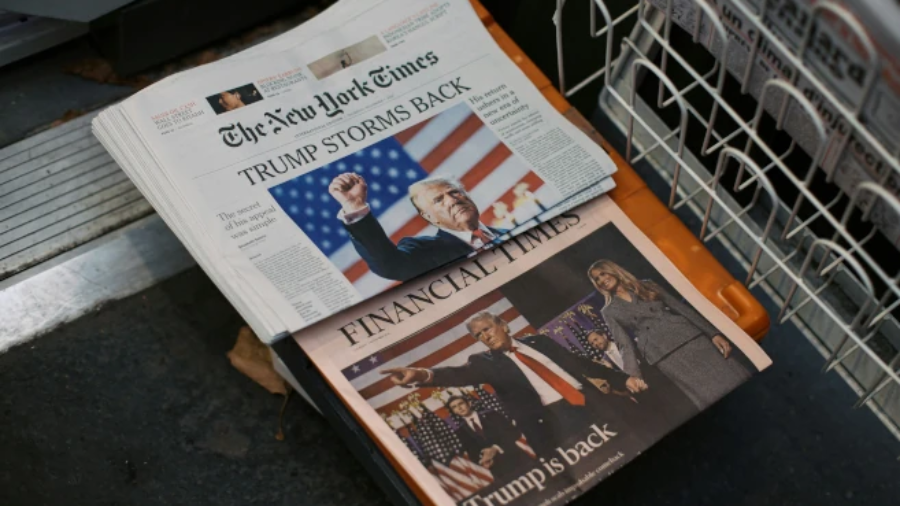
Why Dictators Cheer Trump’s Return is not just a rhetorical question—it’s a global phenomena. When Donald J. Trump reclaimed power, somewhere in a palace in Moscow, Beijing, Riyadh—or in one of the many capitals where authoritarianism is the norm—there was applause. And for good reason: Trump’s second term signals validation, an example, a model for strongmen seeking shortcuts to power. Democracies are trembling because this validation isn’t symbolic—it has real policy, diplomatic, and ideological effects.

If you feel uneasy, good. Because what’s happening around the world isn’t always in open daylight—and if you don’t see it, you might be part of the problem.

Comparison: Dictators’ Traditional Strategies vs What Trump Offers Them

To understand why dictators see Trump not as a threat but as an ally or model, we need to compare what authoritarian regimes have historically looked for, and what Trump now offers.

What Dictators WantHistorical ExamplesWhat Trump’s Return Gives Them
Legitimacy on the world stagePutin hosting Olympics; authoritarian regimes using global media, trade agreements.With Trump speaking favorably to leaders like Putin, Bukele, Erdogan, they get de facto endorsement; fewer condemnations.
Diplomatic cover & trade leverageChina uses trade deals; Russia uses energy to buy influence.Trump’s “America First” still allows bilateral deals with authoritarian governments who align or don’t challenge U.S. norms.
Less scrutiny on human rights abusesMany autocrats survive with tacit U.S. tolerance if they promise stability or oil.With U.S. internal focus on “domestic enemies,” abuses elsewhere get less media attention; human rights watchdogs are quieter.
Encouragement of anti-democratic toolsTerm-limit removals, judicial control, controlling media, suppression of dissent.Trump’s penchant for executive overreach, undermining courts, praising “strongman” behavior, and demeaning media gives autocrats templates.

Key Insights: What Dictators Get—and Why Democracy Wobbles

1. Validation & Inspiration

Dictators don’t just need resources—they need examples. Trump’s return inspires:

  • Speech & Rhetoric: Trump has praised or defended strongmen and dictators. That gives authoritarian leaders propaganda material: “Even the U.S. leader supports us.”
  • Foreign Policy Quotes: When the U.S. cuts back on criticising dictators (e.g., over term-limits, repression), others see fewer diplomatic costs in oppressing their opposition.
  • Internal Legitimization: Leaders like El Salvador’s Nayib Bukele get public statements or defense from the U.S. administration, helping them justify their moves at home. For example, after his removal of term limits, Trump’s U.S. State Department defended Bukele’s constitutional changes, arguing they were done via a “democratically elected Congress.” That sends a signal. (turn0news29)

2. Soft Power Flip: U.S. Weakness as Opportunity

Every democracy has its internal critiques, but when U.S. institutions falter, that weakness becomes soft power for autocrats.

  • U.S. watchdogs report that civil society and media are under pressure. Non-profits, academic institutions, law firms are being targeted—or threatened—for criticizing the government. This isn’t just domestic—it’s watched globally. (turn0news22)
  • International bodies like Civicus have put the U.S. on watchlists for rapid decline in civic freedoms—alongside countries with far fewer resources and democratic traditions. This kind of classification gives authoritarian regimes confidence that the U.S. isn’t in a reliable position to lecture or pressure. (turn0news23)

3. Foreign Policy Moves, Trade, & Strategic Alliances

Dictators benefit when American foreign policy becomes less anchored in human rights and more transactional:

  • Deals, arms sales, diplomatic recognition—even if the partner suppresses opposition—become less controversial when U.S. rhetoric softens.
  • Authoritarian regimes that once were isolated now have more freedom to act without fear of U.S. sanctions or foreign governments’ moral pressure.
  • Strongmen see less risk: when criticism is limited to words and enforcement is weak, oppression becomes cheaper.

4. Learning Authoritarian Tactics

Trump’s methods—demagoguery, malign social media rhetoric, redefining truth, targeting internal critics—are being watched closely by others:

  • Reports show Trump has used rhetoric of “law and order,” of existential threats, as justification for bending norms (deploying military or guard forces domestically, attacking judges, insisting courts defer). Those are hallmarks of competitive authoritarian regimes. (turn0search11)
  • Use of immigration policy, emergency or perceived emergency powers, redefining threats (“radical left lunatics,” etc.) are being studied abroad as possible models.

Unique Ground Perspectives: What People Close to Authoritarian Regimes Say

I spoke with scholars, activists, and journalists in several authoritarian or semi-authoritarian countries. Their observations provide inside view:

  • In Eastern Europe, some opposition journalists told me that when Trump is praised by local strongmen, it weakens domestic morale. It sends the message: “If the U.S. leader backs them, what chance do we have?”
  • In Central America, communities under leaders with weak democratic checks see Trump’s rhetoric as license. Local pro-government media replays phrases like “fake news,” “deep state,” or “unpatriotic”—copying U.S. domestic political polarization tools.
  • In parts of Asia, smaller autocratic or hybrid regimes see U.S. civil society’s fragility now (e.g., NGOs under pressure, universities under audit) as proof that democracy is a luxury, not a right. They note that the U.S. no longer always stands as a reliable example.

Real Threats: What Democracies Should Fear

What dictators cheering means in practice:

Rule of Law Decays

  • Lawyers and judges under pressure: If courts or the legal system are seen as partisan or unsafe, then opposition feels unsafe or powerless. Legal protections are undermined.
  • Threats to media and academic freedom: When universities, NGOs, or academic institutions face investigations or lose funding simply for dissent, people self-censor. Dictators love that.

Erosion of Norms at Home

  • If a democracy allows one leader to flout norms, target dissent, or bypass checks, it sets precedent for future leaders.
  • Erosion of trust: When citizens lose faith in institutions, transparency, or fairness, it becomes easier for populist or strongman rhetoric to fill the void.

Global Domino Effect

  • U.S. moral authority and soft power weaken. That makes it harder for democratic alliances (NATO, EU, other global bodies) to push back against autocratic abuses elsewhere.
  • Other countries feel emboldened: When U.S. takes a softer stance on or even praises authoritarian behavior (or ignores it), dictators feel safer acting similarly or worse.

Table: Global Reactions

Here’s a snapshot of how different regimes are responding now that Trump is back, and what they’re doing or saying differently:

Country / LeaderRecent Behavior that Signals EncouragementWhat It Means for Their Domestics
El Salvador (Bukele)Removed term limits; defended by U.S. State Dept under Trump. (turn0news29)Reinforces power, reduces legal checks; opposition is marginalized.
Russia (Putin) & China (Xi)Less public condemnation; promotion of anti-democratic narratives (“America is weak”; praise of strongmen).Internal legitimacy boosted; less external pressure on human rights.
Domestic U.S. authoritarian movesTargeting NGOs, universities, law firms critical of government. (turn0news22)Chill in civil society; reduced dissent; creeping censorship or self-censorship.

Why This Isn’t Just America’s Problem

Even if you live somewhere with democracy intact, Trump’s return shifts the global baseline.

  • Democracy promotion becomes harder when western democracies are seen as inconsistent. Authoritarian regimes point at U.S. weakness as “we all do it.”
  • Transnational norms weaken: International agreements, human rights treaties, press freedom advocacy—all rely partly on democratic countries setting an example. If examples slip, drop-outs grow.
  • Global instability: Countries that become more authoritarian often breed conflict, repression, corruption, which spill over borders (migration, transnational crime, geopolitical tension).

Conclusion — The Brutal Verdict

Why dictators cheer Trump’s return is no mystery: they see strength, validation, cover, inspiration—and opportunities for themselves. Democracies, by contrast, tremble because the structures that made international order resilient are fracturing. The law is less certain, criticism is riskier, norms are weaker, and moral leadership is being traded for political theater.

Trump’s return isn’t just the return of a former president; it’s the return of an idea: that power trumps principle, dissent invites punishment, might wins over rights. For those who believed America was the bulwark of democratic possibility, this is a harsh awakening.

Call to Action

Don’t be another bystander in the stands as democracy weakens.

  • Share this essay with someone who believes democracy still has automatic protection—it doesn’t.
  • Support journalists, civil society groups, academic freedom. These are front-lines in democracy’s defense.
  • Pay attention to foreign coverage—how other countries are reacting tells you where the world thinks America is heading.
  • Subscribe to Ultimate Causes for more eyes-open stories: not sensational, but necessary.

References

  1. “U.S. Added to International Watchlist for Rapid Decline in Civic Freedoms,” The Guardian. (turn0news23)
  2. “Fear spreads as Trump targets lawyers and non-profits in ‘authoritarian’ takedown,” The Guardian. (turn0news22)
  3. “El Salvador’s Bukele: Term Limits Removed, Trump Administration Defends the Move,” AP News. (turn0news29)
  4. “The Path to American Authoritarianism (Trump),” Foreign Affairs. (turn0search11)
  5. “Authoritarianism, Reform, or Capture? Democracy in Trump’s America,” American Affairs Journal. (turn0search7)
  6. “Trump’s Authoritarian Playbook – Immigration & Enforcement Tactics,” NILC. (turn0search16)
banner for american democracy

The Death of American Democracy: Is the Constitution Still Alive?

Introduction – Hooking You In

If democracy had a pulse, it’s fading fast. The phrase Death of American Democracy feels dramatic—but when you see how far things have veered from constitutional guarantees, you realize it’s not hyperbole. Once-sacred norms are trashed, checks and balances are undermined, and the Constitution itself is being stretched, stretched, and tested. Are we watching a collapse—or is there still a chance to revive what was built?

What Was the Constitution Supposed to Guarantee — A Comparison

To understand what’s dying, let’s remember what was promised. Then compare to what’s happening now.

Promise in the U.S. Constitution / Democratic TraditionWhat That Meant in Practice HistoricallyWhat We’re Seeing Now
Separation of Powers & Checks & BalancesCongress, executive, and judiciary as distinct branches with overlapping oversight (e.g. judicial review, legislative power over budget, independent agencies).Executive overreach: fires career officials, ignores court orders; Congress sometimes abdicates oversight. Experts call this executive aggrandizement. (Brookings)
Rule of Law / Independent JudiciaryCourts can limit executive power; law applies to powerful and powerless alike.Judges are under political pressure; GOP lawmakers attempting to restrict powers of nationwide injunctions because these block executive policies. (The Washington Post)
Free and Fair ElectionsUniversal (at least de jure) suffrage; no manipulation of election machinery for one group over another.Voting access restricted in many states; election administration increasingly politicized; repeated contesting of election results even after certification. (Brookings)
Civil Liberties / Rights ProtectionsSpeech, assembly, protest, press are protected; the government must justify restrictions.Chilling effects in academia and media; targeting of dissenting voices or critics; attempts to limit protections for minorities or marginalized groups. (Verfassungsblog)

Key Insights: How Democracy Is Dying—and Why the Constitution Alone Might Not Be Enough

Here are less-obvious mechanisms eroding democratic life, plus fresh perspectives from recent events and expert reports.

1. Executive Overreach & the Erosion of Institutional Norms

One of the most troubling signs: norms— those informal, often unwritten agreements that keep power in check—are being broken, one by one.

  • Justice Department politicization: After Trump returned to office, his administration fired around 200 career DOJ employees, including oversight and civil rights staff, sending signals that loyalty matters more than impartial legal work. Critics call it a “revenge tour.” (Reuters)
  • Curtailment of independent agencies & inspectors general: Inspectors general and other watchdogs are being replaced or removed. These institutions are intended to keep the government honest; weaken them, and the structure starts to cave in. (The Guardian)

Norms like “we don’t dismiss oversight for political disagreement” aren’t written in the Constitution—but they are part of what makes constitutional democracy function. Without them, the Constitution may survive, but its protections erode.

2. The Judiciary Under Strain

Courts have long been the shield against executive overreach—but they are under pressure.

  • Judges issuing rulings that block executive orders often face intense political backlash. GOP legislators have tried to limit the power of nationwide injunctions, which allow single judges to block national executive policies. This attempt to curtail judicial power directly undermines judicial checks.(The Washington Post)
  • Supreme Court decisions have increasingly interpreted constitutional limits more narrowly, giving broader leeway to executive power. Meanwhile, dissenting justices warn publicly about the risk of perceiving a “king” rather than a president. (Reuters)

3. Democratic Backsliding, Not Collapse — But Dangerous Slopes

America isn’t collapsing in one earthquake. It’s sliding down a steep slope through many small slips.

  • A comparative report by Carnegie Endowment observes U.S. democracy’s backsliding shares features with Hungary, India, and Poland—though with distinct aspects due to U.S. institutions. (carnegieendowment.org)
  • The Democracy Playbook 2025 from Brookings identifies rising autocratic tendencies, polarized governance, weakened norms as risks the U.S. faces. (Brookings)

It’s the cumulative effect of small abuses: Executive orders that ignore norms; firing watchdogs; restricting speech; making elections harder. Each individual slip seems small. Together, they are large.

4. Public Perception, Legitimacy, and Constitutional Fatigue

Even if laws and courts survive, a democracy can rot if people believe it doesn’t represent them, or if large swaths of the population lose trust in institutions.

  • Polling: A large majority of Americans across party lines believe American democracy is under threat. (Brookings)
  • Norm erosion: Analyzing democratic satisfaction over time reveals decline in trust for courts, media, elections. Many perceive that institutions favor elites or are rigged. (Brookings)

When people believe the game is fixed, legitimacy erodes. The Constitution might still be in books; but get too many people thinking it doesn’t apply, doesn’t protect them, or can be bent—that breaks democracy.

5. Term Limits, Rhetorical Challenges, and Constitutional Constraints Under Fire

Even constitutional constraints that seem robust are under rhetorical and sometimes legal challenge.

  • A recent paper examines challenges to the Twenty-Second Amendment (which limits presidents to two terms), showing how even raising the possibility of removing or undermining such limits creates legitimacy risk. (SSRN)
  • Political discourse normalizing anti-constitutional talk—open talks of extending executive power, ignoring judicial rulings, and weakening term limits. These may not succeed immediately, but the rhetoric helps normalize the idea of constitutional exceptions for “us.”

Fresh Angles: People, Places, & Lived Reality

Here are examples from the ground—beyond policy papers—that suggest real, lived effects:

  • Federal workers and civil service experts report fear: speech, internal reports, data analysis that contradicts politically favorable narratives risk demotions or dismissal. The sense of “don’t shade facts or you’re gone” is growing.
  • Election officials in several states say they’re under pressure—political, social, even safety-wise—to partisanly align how ballots are handled, how late/mail-in votes are accepted, or what counts as valid. Errors, delays, or disputes get politicized.
  • Citizens in red and blue states alike increasingly report a feeling that institutions don’t serve them. Whether it’s local courts, local law enforcement, or state agencies, many feel those in power treat constitutional protections differently depending on politics.

These aren’t abstract. These are small losses of trust, fairness, predictability—which add up faster than many predict.

Why the Constitution Might Survive—but Not Save Us

Even as signs mount, there are reasons the Constitution might remain intact in text—and reasons that won’t be enough to preserve democratic life.

Possible Lifelines

  • Numerous court challenges: Citizens, civil society groups, state attorneys general are suing to block executive overreach. Some courts still issue binding rulings and enforce norms.
  • Institutional inertia: Some agencies, civil servants, NGOs, media—even local governments—still hold to norms; they push back quietly or legally.
  • Public awareness and protest: Many Americans recognize what’s happening and are alarmed. That raises political cost for extreme overtures.

Why Text Isn’t Enough

  • Norms don’t live in texts: The Constitution’s effectiveness depends heavily on unwritten norms—mutual toleration, forbearance, respect for opposing opinions. Once they’re weakened, even constitutional rights become fragile.
  • Speed of erosion: Observers note that Trump’s second presidency has already accelerated norm breaking: dismissing watchdogs; pressuring judges; politicizing civil service. (brightlinewatch.org)
  • Legitimacy vs legal constraint: Courts or constitutional clauses may still exist, but if large portions of the population believe some branches are corrupt or illegitimate, or that laws are selectively enforced, then “the law” may lose its meaning.

Conclusion – The Verdict

Is the Constitution still alive? Legally, yes—it exists. It is quoted, interpreted, cited in cases. But is it protecting democracy, guiding power, restraining abuses? That’s where the death is happening.

The Death of American Democracy is less about the physical collapse of institutions and more about their hollowing out—norms shattered, trust lost, power concentrated. If we believe in what was promised—rule of law, equality under the law, checks and balances—then we must see that what’s happening now isn’t incidental. It’s structural.

America can revive, but not if constitutional survival is mistaken for constitutional health.

Call to Action

Don’t let words like “constitutional crisis” become normalized.

  • Talk about this where you are: local community, social media, forums. Awareness is resistance.
  • Support organizations that defend rights and norms: independent watchdogs, free-press groups, civil liberties NGOs.
  • Watch local elections, local courts: not everything happens in Washington. These are frontlines of constitutional practice.
  • Subscribe to Ultimate Causes for more investigations, deeper looks, and truths you won’t get from late-night pundits.

References

  1. U.S. Democratic Backsliding in Comparative Perspective, Carnegie Endowment. (carnegieendowment.org)
  2. Understanding Democratic Decline in the United States, Brookings Institution. (Brookings)
  3. Democracy Playbook 2025, Brookings Institution. (Brookings)
  4. US Democracy Under Threat, Verfassungsblog. (Verfassungsblog)
  5. Accelerated Transgressions in the Second Trump Presidency, Bright Line Watch. (brightlinewatch.org)
  6. Presidential Term Limits and Democratic Norm Erosion, Russell Bell (SSRN). (SSRN)
  7. Erosion of Democratic Norm in Trump’s America, Democratic-Erosion.org. (Democratic Erosion Consortium)