threats against Trump critics

Who Sends Death Threats After Trump’s Posts? Inside the Chaotic Ecosystem Behind the Threats

Introduction: When a Post Becomes a Weapon

Each time Donald Trump unleashes a verbal barrage on social media—targeting a judge, prosecutor, journalist, election worker, or political critic—a chilling pattern follows: the targeted individual begins receiving death threats.

This phenomenon has repeated so consistently that prosecutors, journalists, intelligence agencies, and researchers now treat it as a predictable social chain reaction.

But the critical questions remain:

  • Who is actually sending these threats?
  • Are these individuals part of an organized network?
  • Are they following instructions—or acting on their own interpretations of Trump’s words?
  • Does Trump himself implicitly fuel the threats without explicitly directing them?
  • What does existing evidence really show?

This investigative-style article explores the phenomenon with depth, nuance, and clarity.

What emerges is a picture not of a secret army or underground gang, but of something more volatile—and arguably more dangerous:
a decentralized, emotionally charged ecosystem of radicalized supporters and online actors who treat Trump’s words as marching orders, even when no orders are given.

1. The Pattern: Trump Speaks, Threats Follow

From the earliest days of Trump’s political life, researchers and intelligence analysts noticed a disturbing trend:

  1. Trump attacks an individual publicly.
  2. His comments get amplified across social media and far-right circles.
  3. Within hours or days, the targeted person receives:
    • Death threats
    • Harassment
    • Doxxing
    • Intimidating phone calls
    • Threats to family members

This pattern has appeared in case after case:

  • Federal Judge Tanya Chutkan
  • Georgia election workers Ruby Freeman & Shaye Moss
  • New York DA Alvin Bragg
  • Fulton County DA Fani Willis
  • Federal Judge Emmet Sullivan
  • Members of Congress who voted for impeachment
  • Journalists Trump labeled “enemy of the people”

In every instance, Trump’s harsh rhetoric preceded the wave of threats—not by weeks, but frequently within hours.

So again:
Who is sending these threats? And why?

2. Law Enforcement’s Findings: No Secret Organization—But a Predictable Ecosystem

The FBI, DHS, and state law enforcement agencies have repeatedly investigated these threats. Their findings are remarkably consistent:

✔ There is no evidence of a Trump-controlled secret group carrying out threats.

No:

  • hit squads
  • covert militias directed by Trump
  • coordinated networks
  • “orders” issued privately
  • direct communication with perpetrators

This is important:
Nothing in legal or intelligence findings suggests Trump personally orchestrates death threats.

However…

✔ The threats almost always come from Trump supporters.

And even more importantly:

✔ The threats spike immediately after Trump targets someone—so reliably that analysts can now predict the pattern.

This leads us to the key concept used by terrorism scholars:

3. Stochastic Terrorism: When Leadership Words Inspire Unpredictable Violence

Experts describe Trump’s rhetorical influence using a term known as stochastic terrorism.

Definition

When a person with a large audience uses hostile, dehumanizing, or inflammatory language, it increases the likelihood that an extremist will commit or attempt violence—yet no direct order is ever given.

This describes the Trump-threat pattern almost perfectly:

  • Trump labels someone “evil,” “corrupt,” “enemy,” or “traitor.”
  • Millions see the message.
  • Any one unstable or radicalized supporter may act violently or send threats.
  • Trump maintains distance from responsibility because he never explicitly commands violence.

This is not a conspiracy theory—it’s a documented behavioral chain observed repeatedly.

Trump is not coordinating attackers.
But he is inspiring them—predictably, consistently, and powerfully.

4. Who Sends the Threats? A Deep Dive into the Types of Perpetrators

From investigative reports, arrests, court transcripts, and threat analyses, four distinct groups emerge:

Group 1: Lone-Wolf Extremists

These individuals are:

  • Deeply loyal to Trump
  • Often politically obsessed
  • Consuming extremist content daily
  • Isolated, angry, or unstable
  • Acting without direction
  • Convinced they are “protecting America”

They represent the largest category by far.

Examples include the man who sent threats to Judge Chutkan after Trump criticized her, or the individuals who sent death threats to election workers after Trump’s allegations.

These people are not part of any organized network.
They are radicalized individuals acting on emotion and ideology.

Group 2: Online-Radicalized Supporters

These are people radicalized within digital spaces such as:

  • Telegram channels
  • Gab
  • Truth Social
  • 4chan / 8kun
  • Discord groups
  • Far-right Twitter/X communities

These communities:

  • Amplify Trump’s posts
  • Add inflammatory commentary
  • Share personal details of targets
  • Encourage members to “do something”

The threats emerge from this online radicalization loop.

Group 3: Ideological Fringe Groups

These include:

  • White nationalist groups
  • Militia-style organizations
  • Extremist online collectives
  • Sovereign citizen adherents
  • Conspiracy-oriented groups (QAnon, etc.)

These groups sometimes praise Trump and use his messages as ideological fuel, even though there is no operational connection to Trump himself.

They act opportunistically, using Trump’s rhetoric to justify harassment or intimidation.

Group 4: Hyperactive MAGA Media Personalities

This category is less about direct threats and more about incitement amplification.

Certain MAGA influencers:

  • Repost Trump’s attacks
  • Add aggressive commentary
  • Name targets repeatedly
  • Encourage followers to “hold them accountable”
  • Create content demonizing the targeted individuals

This group acts like an accelerant, pushing Trump’s rhetoric into more extreme online spaces where threats become more likely.

5. What Investigations Have Not Found

To avoid misinformation, it is crucial to state clearly:

✔ No evidence shows that Trump personally directs threats.

✔ No private Trump-owned networks conducting harassment have been found.

✔ No organized “Trump intimidation unit” exists.

The threats come not from coordinated orders, but from decentralized, self-motivated actors interpreting Trump’s rhetoric as a signal.

6. Why Trump’s Supporters Interpret His Words as Commands

Researchers highlight four psychological and social dynamics:

1. Parasocial loyalty

Millions of Americans feel a deep emotional connection to Trump, despite having never met him.
In their minds:

Attacking Trump’s enemies = defending someone they love or trust.

2. Moral framing

When Trump describes opponents as:

  • “traitors”
  • “enemies”
  • “vermin”
  • “illegitimate”
  • “destroying America”

he places them outside normal political disagreement.
Some supporters perceive this as permission for extreme action.

3. Conspiracy ecosystems

Online echoes of Trump’s comments blend with conspiratorial beliefs, magnifying fear and anger.

A Trump post → a conspiracy video → a Telegram group → a doxxing thread → a death threat
This chain can happen within hours.

4. The promise of heroic action

Some supporters view themselves as warriors or patriots fulfilling a historic mission.

This mentality fuels impulsive, violent messaging.

7. Do Trump’s Words Cause the Threats? A Closer Look

Legally, causation is extremely difficult to prove.
But behaviorally, researchers see a clear pattern:

  • Trump attacks → threats rise
  • Trump stops posting → threats decline
  • Trump attacks again → threats spike again

The relationship is not coincidental.

Even without coordination, Trump’s rhetoric acts as an activation trigger in a radicalized environment.

This is why national security agencies consider Trump’s language a driver of risk—even when Trump personally breaks no laws.

8. Key Case Studies: Threats After Trump’s Posts

Case 1: Ruby Freeman & Shaye Moss

After Trump falsely accused them of rigging votes, the two election workers:

  • Received death threats
  • Were stalked
  • Were harassed at home
  • Had to flee for safety

Investigators traced the threats to Trump supporters radicalized online, not to any organized group.

Case 2: Judge Chutkan

After Trump criticized her, a Trump supporter from Texas was arrested for sending explicit death threats. She acted alone.

Case 3: Prosecutors Willis & Bragg

Threats skyrocketed immediately after Trump attacked them by name.
Arrests reveal individuals acting independently.

9. Why Trump Doesn’t Need a Secret Network

A secret network would require:

  • organization
  • planning
  • communication
  • coordination
  • secrecy

But Trump has something far more powerful:

A massive audience primed to defend him emotionally and ideologically.

This audience acts without being told.

The threats are not centrally controlled—it’s a chaotic, emergent phenomenon created by:

  • rhetoric
  • loyalty
  • ideology
  • online radicalization
  • conspiracy culture
  • parasocial devotion

This combination makes the reaction to Trump’s words more potent than a directed network could ever be.

10. The Danger: Decentralized Threat Ecosystems Are Harder to Control

A coordinated organization can be dismantled.
Leaders can be arrested.
Networks can be disrupted.

But Trump’s threat ecosystem is:

  • decentralized
  • spontaneous
  • anonymous
  • global
  • unpredictable
  • psychologically motivated
  • ideologically energized
  • socially reinforced

This makes it exceptionally difficult for law enforcement to prevent or contain.

A single post can reach:

  • tens of millions instantly
  • extremists globally
  • unstable individuals
  • conspiracy-driven communities

No order needed.
No organization required.

11. So Who Sends the Threats? The Final Answer

Based on what is known:

✔ Trump does NOT have a secret hit squad or intimidation network.

✔ Trump does NOT directly instruct supporters to issue threats.

✔ But the threats DO come overwhelmingly from radicalized Trump supporters.

✔ And these threats are triggered—repeatedly and predictably—by Trump’s rhetoric.

The real story is not hidden—it is in plain sight:

Trump’s language activates a decentralized ecosystem of supporters, extremists, and online actors who believe they are defending him, punishing his enemies, or fighting for their shared worldview.

This is what makes the phenomenon so dangerous:

Trump doesn’t need to tell anyone to send threats—they do it automatically.

Conclusion: The Power and Peril of Influential Speech

The rise in threats against Trump’s critics is not the result of a shadow organization—it is the predictable byproduct of a polarizing political figure whose words carry profound emotional weight among millions.

Whether Trump intends these consequences is debatable.
Whether he causes them directly is legally unproven.

But whether his words inspire them?

That is undeniable.

Trump possesses a uniquely reactive audience, primed to act—even violently—when he frames someone as an enemy.
The danger lies not in secret coordination, but in the raw emotional power he holds over his most extreme followers.

In the end, the threats are not evidence of organization—they are evidence of influence.

And influence, in politics, can be every bit as dangerous as orders.

Birtherism Conspiracy theory

The “Birtherism Conspiracy theory”: Donald Trump as Its Loudest and Shameless Megaphone

Introduction: When a Fringe Lie Became a Political Weapon

Every conspiracy theory has an origin story. Some fade quietly. Others ignite a spark and die out.
But then there are those rare ones—like the Birtherism Conspiracy theory—that mutate into powerful political machines when the right messenger picks up the megaphone.

And no one embraced, amplified, and weaponized Birtherism more aggressively than Donald J. Trump.

Before 2011, Birtherism was little more than a fringe rumor circulating on obscure blogs and forwarded email chains. Yet, by the time Trump was done with it, the conspiracy had shaped national discourse, influenced presidential politics, and opened a dark new chapter in America’s relationship with truth.

This post takes you on a deep, meticulously researched exploration of:

  • how Trump became the face of Birtherism
  • why the conspiracy resonated with millions
  • the racial, cultural, and political dynamics that fueled its rise
  • and how it foreshadowed the disinformation ecosystem we live in today

Let’s dig in.

What Exactly Was the Birtherism Conspiracy Theory? A Brief Refresher

Put simply, Birtherism was the false claim that Barack Obama was not born in the United States, and thus was constitutionally ineligible to be president.

Despite Obama releasing his short-form birth certificate in 2008, and later his long-form version in 2011, the conspiracy persisted for years. Why?
Because Birtherism was never truly about documents—it was about identity.

It challenged the legitimacy of the first Black president not on the basis of policy, but on the basis of belonging.

How Birtherism Started—And Why It Was Ripe for Hijacking

Birtherism didn’t begin with Trump. Initial murmurs emerged during the 2008 Democratic primaries, mostly from fringe Hillary Clinton supporters. But these were small fires, easily containable.

The conspiracy lacked:

  • a national voice
  • media amplification
  • a charismatic promoter
  • a platform large enough to push it mainstream

In other words—it needed someone like Trump.

Donald Trump Enters the Arena: How the Conspiracy Found Its Champion

A Celebrity in Search of Relevance

By 2011, Trump was known more for The Apprentice than for serious political engagement. Yet he wanted something deeper: relevance, power, a seat at the national table.

Birtherism was his gateway.

Trump began:

  • calling in to TV interviews
  • posting provocative tweets
  • demanding Obama “prove” his citizenship
  • implying he had private investigators “on the ground in Hawaii”
  • repeatedly insisting that “people are saying” shocking new details

Trump wasn’t fact-finding. He was experimenting with what would later define his political brand:

  • repetition
  • spectacle
  • manufactured controversy
  • the illusion of insider knowledge
  • media manipulation

Birtherism worked because Trump knew one simple truth:
A controversy doesn’t need evidence—only attention.

The Media’s Role: How They Fell for Trump’s Game

Birtherism exploded when major networks—CNN, NBC, Fox News—began inviting Trump onto their platforms under the guise of political commentary.

The result?

Trump turned breakfast-hour TV into a launchpad for the conspiracy.
He had:

  • free media coverage
  • millions of curious viewers
  • no fact-checking boundaries
  • an endless supply of provocative soundbites

Newsrooms treated the conspiracy as political theater, not disinformation. Ratings surged. Trump’s visibility soared. Birtherism became mainstreamed.

This moment marked a cultural shift:
America’s political conversation became a reality show, with Trump writing the script.

A Racialized Conspiracy: Why Birtherism Was Never Just About Birth Certificates

One reason Birtherism stuck is because it exploited long-standing racial anxieties in America.

Trump didn’t invent racialized doubt—but he understood how to weaponize it.

The conspiracy fed into:

  • xenophobic fears
  • stereotypes about African nations
  • discomfort with a Black man in the White House
  • the notion that Obama was “other,” “foreign,” “un-American”

Trump leaned into these sentiments with precision.

By repeatedly calling Obama’s citizenship into question, he wasn’t just spreading misinformation—
he was attacking the legitimacy of Black leadership in America.

Birtherism became a dog whistle wrapped in a question:
“Where is he really from?”

Why People Believed It: Understanding the Psychology Behind the Lie

Birtherism succeeded not because the evidence was compelling, but because the human mind is vulnerable to certain psychological triggers.

1. Confirmation Bias

People predisposed to distrust Obama saw Birtherism as validation of their fears.

2. Repetition Effect

The more Trump repeated it, the more “true” it felt—regardless of evidence.

3. Identity Protection

For some, believing the conspiracy resolved cognitive dissonance:
“How could a country elect someone who doesn’t look like our past presidents?”

4. Mistrust of Institutions

Doubting Obama was easier for many than trusting:

  • the media
  • the government
  • the Democratic Party

Trump leveraged all these psychological levers expertly—long before political analysts recognized what was happening.

Trump vs. Reality: The Moment Obama Released the Long-Form Birth Certificate

When Obama finally released his long-form birth certificate in April 2011, the media expected the conspiracy to die.

Instead, something fascinating happened:

  • Trump took a victory lap, claiming he had “forced” Obama’s hand
  • Support for Birtherism actually remained strong among conservatives
  • Public trust in Obama’s legitimacy barely shifted

This proved something profound:
Birtherism was never meant to be solved. It was meant to be sustained.

Trump wasn’t debunked—he was rewarded.

A Look at the Data: Birtherism by the Numbers

Here’s a simplified visual showing how belief in the conspiracy shifted:

YearPercentage of Republicans Who Believed Obama Was Not Born in the U.S.
2009~17%
2010~31%
2011 (Trump peak)43%–51%
2016 (Trump campaign)72% believed Obama was born abroad or were “not sure”

The more Trump amplified it, the more people believed it.

How Birtherism Became Trump’s Political Springboard

Birtherism didn’t just elevate Trump—it prepared his future base.

1. It positioned Trump as a political outsider

Someone willing to say “what others won’t.”

2. It tested his influence on conservative voters

The results? Overwhelming.

3. It built a movement grounded in grievance, identity, and distrust

These ingredients later fueled:

  • anti-immigrant rhetoric
  • attacks on the press
  • “fake news” culture
  • Stop the Steal narratives
  • January 6 disinformation

Birtherism was the prototype for Trumpism.

The 2016 Pivot: Trump Finally Admits the Truth—But Only Halfway

In 2016—five years after igniting the conspiracy—Trump finally stated:
“President Obama was born in the United States. Period.”

But even then, he:

  • refused responsibility
  • blamed Hillary Clinton (falsely)
  • used the admission as a political stunt
  • offered no apology

For Trump, retracting Birtherism wasn’t an act of honesty—it was a strategy shift.

The conspiracy had served its purpose.
A new target awaited: Hillary Clinton.

Key Insights: What Birtherism Reveals About Modern American Politics

1. Conspiracies thrive when reality is optional

For millions, belief had nothing to do with documents—only loyalty and identity.

2. Racism adapts to new languages

Birtherism offered a “respectable” vehicle for racialized doubt.

3. Media ecosystems reward spectacle over truth

Trump understood this better than any politician in generations.

4. Disinformation is powerful because it is emotional

Birtherism wasn’t just a lie—it was a narrative.

5. The conspiracy prepared the ground for future democratic erosion

Everything from COVID denialism to election lies traces its lineage to Birtherism.

Conclusion: Trump Didn’t Just Promote Birtherism—He Perfected a Political Blueprint

The Birtherism Conspiracy theory wasn’t just a smear campaign against Barack Obama.
It was the birth of a political era defined by:

  • emotional manipulation
  • racialized disinformation
  • media spectacle
  • truth decay
  • political identity wars

Trump didn’t invent the lie.
He industrialized it.

And America is still living with the consequences.

Call to Action

If you found this deep-dive insightful:
✔️ Share your thoughts in the comments — where do you think Birtherism ranks among the most damaging political conspiracies?
✔️ Explore more articles on political disinformation, Trumpism, and democratic resilience.
✔️ Subscribe to stay updated on new analyses and long-form essays.

trumpism-and-the-maga-cult

The American Undoing: Trumpism and the Cult That Captured a Nation

Introduction: The Rise of a Political Cult

The United States has long prided itself on democracy, debate, and the peaceful transfer of power. Yet, over the past decade, a powerful political phenomenon has emerged that threatens these pillars: Trumpism and the MAGA cult.

This movement goes beyond political ideology. It is a culture built on loyalty to a single personality, fueled by misinformation, grievance politics, and a fervent sense of identity. Trump’s rise did not create this movement—it captured and amplified deep-seated cultural anxieties, turning them into a political force that dominates contemporary American politics.

Understanding this phenomenon is not optional. It is essential to comprehending how American democracy can be manipulated, reshaped, and, at times, threatened from within.

What is Trumpism?

Trumpism is more than a political philosophy; it is a hybrid of populism, nationalism, and authoritarian tendencies, centered around loyalty to Donald J. Trump.

Core Features of Trumpism

  • Personality-Centric Politics: The movement revolves around Trump’s persona rather than policy.
  • Anti-Establishment Rhetoric: Institutions, experts, and long-standing political norms are portrayed as enemies.
  • Grievance Politics: Appeals to cultural, economic, and racial anxieties motivate the base.
  • Conspiratorial Thinking: Misinformation and conspiracies reinforce belief systems and loyalty.
  • Authoritarian Impulses: Norms are subverted to maintain power and control dissent.

Trumpism is not confined to Republican voters. It has influenced media, social networks, and even political discourse globally, reshaping norms and redefining the boundaries of political acceptability. (source)

The MAGA Cult: Loyalty Over Ideology

The MAGA movement is the social and psychological manifestation of Trumpism. Unlike traditional political movements, it operates more like a cult, demanding allegiance to the leader over ideology, facts, or ethical considerations.

Cult Dynamics in Politics

  • Unquestioning Loyalty: Members often defend Trump regardless of evidence or truth.
  • Demonization of Outsiders: Critics, including moderate Republicans, media, and institutions, are framed as existential threats.
  • Emotional Manipulation: Fear, anger, and grievance drive engagement and mobilization.
  • Symbolic Rituals: Slogans, rallies, and merchandise reinforce identity and belonging.

These dynamics explain why many followers remain committed even after public controversies or legal challenges, demonstrating the psychological depth of the movement. (source)


Lies and Misinformation as Glue

One of the most potent tools of the MAGA cult is misinformation. Repeated falsehoods create an alternate reality, eroding the shared factual foundation necessary for democracy.

Weaponizing Falsehoods

  • Election Fraud Claims: The 2020 election lies undermined public trust in democracy.
  • COVID-19 Misinformation: Promoting unproven treatments and downplaying risks endangered public health.
  • Media Vilification: Labeling credible sources as “fake news” delegitimizes independent oversight.

The repetition of these narratives fosters cognitive loyalty, conditioning followers to accept misinformation as truth. (source)

Table: Traditional Political Movements vs. Trumpism/MAGA Cult

Traditional MovementsTrumpism/MAGA Cult
Policy-driven debatePersonality-driven loyalty
Respect for institutionsAttacks on judiciary, media, and Congress
Fact-based discourseMisinformation and conspiracy acceptance
Democratic normsAuthoritarian impulses and norm subversion
Civil discoursePolarization and demonization of opponents
Collective civic responsibilityGrievance-driven identity politics

Racism and Cultural Division

Racism and nativism are core drivers of the MAGA cult, not just incidental features. Trumpism leverages identity politics to solidify loyalty.

Policy and Rhetoric

  • Immigration Bans: Policies disproportionately targeting Muslim-majority nations (source)
  • Border Enforcement: Aggressive deportation policies fueling cultural anxieties
  • Racialized Messaging: Repeatedly framing minorities or immigrants as threats

These tactics cultivate fear and resentment, creating a sense of shared struggle among followers, which reinforces group cohesion.

Authoritarian Tendencies and Power Consolidation

Trumpism demonstrates hallmark authoritarian strategies: centralizing power, subverting norms, and punishing dissent.

Examples of Authoritarian Governance

  • Politicizing the Department of Justice and intelligence agencies
  • Overreliance on executive orders bypassing legislative checks
  • Public threats to and marginalization of political opponents

This approach destabilizes democratic institutions and creates a culture of obedience rather than debate. (source)

Conspiracy Theories and the MAGA Psyche

Conspiratorial thinking is not just tolerated—it is amplified. From QAnon to election “stolen” narratives, these conspiracies provide the MAGA cult with an internal logic that justifies extreme loyalty and delegitimizes dissent.

Political and Social Impact

  • Reinforcement of group identity
  • Polarization of public opinion
  • Justification for political violence, exemplified by January 6th (source)

Without the conspiratorial scaffolding, the cult loses its cohesion and purpose.

Why Trumpism Persisted Despite Controversies

Even after scandals, impeachment proceedings, and electoral defeat, Trumpism endures. Key reasons include:

  • Emotional Loyalty: Personal identity is tied to support for Trump
  • Information Control: Echo chambers reinforce beliefs
  • Fear of “Other”: Cultural, racial, and political threats strengthen group cohesion
  • Punishment of Dissent: Political marginalization of those who oppose Trump consolidates base loyalty

This resilience illustrates that Trumpism is not simply political—it is social, psychological, and cultural.

Consequences for American Democracy

Erosion of Trust

  • Reduced faith in elections, courts, and media
  • Increased polarization and partisanship

Threats to Institutions

  • Politicization of independent agencies
  • Normalization of executive overreach

Societal Division

  • Deepening racial and cultural divides
  • Tribalism replacing civic engagement

The implications are long-term, affecting governance, social cohesion, and the ability to respond to national crises effectively.

Visual Suggestions:

  • Infographic: “The Anatomy of the MAGA Cult” (showing lies, loyalty, conspiracies, and identity politics)
  • Timeline: Key events in Trumpism and MAGA cult formation (2015–2025)

Lessons and the Path Forward

Rebuilding Democratic Norms

  • Protect judicial independence
  • Strengthen electoral systems and oversight
  • Promote civic education and critical media literacy

Combating Misinformation

  • Support independent fact-checking
  • Encourage media accountability
  • Educate the public on misinformation tactics

Cultural and Political Healing

  • Dialogue across ideological divides
  • Encourage ethical political leadership
  • Promote civic responsibility over partisan loyalty

Conclusion: The American Undoing and the Road Ahead

Trumpism and the MAGA cult represent more than a political movement—they are a cultural and psychological phenomenon that has reshaped American politics. Lies, conspiracies, authoritarian impulses, and cultural grievances form a self-reinforcing ecosystem, capturing loyalty and polarizing society.

The challenge is immense but not insurmountable. Restoring democracy requires vigilance, education, ethical governance, and the courage to confront misinformation and cult-like loyalty. The future of American democracy depends on understanding the mechanics of this movement—and taking steps to ensure it does not capture the nation again.

Call to Action

  • Stay informed: Critically evaluate information sources
  • Engage civically: Vote, attend town halls, and participate in community discussions
  • Promote accountability: Support transparent governance and ethical leadership
  • Share this post: Help others understand the threat of political cults and the dynamics of Trumpism

References

  1. Brookings Institution, January 6 Insurrection Analysis. (brookings.edu)
  2. Vox, Trump’s Travel Ban and Muslim Discrimination. (vox.com)
  3. Psychology Today, Trump and the Psychology of Political Cults. (psychologytoday.com)
  4. Foreign Affairs, Trumpism and Its Global Impact. (foreignaffairs.com)
  5. CDC, COVID-19 Misinformation Resources. (cdc.gov)
lies, racism, and authoritarianism

Trump’s Legacy of Lies, Racism, and Authoritarianism Fueled by Conspiracy Theories

Introduction: The Making of a Political Era

The political era of Donald J. Trump is unlike anything in modern American history. His presidency was marked not only by policy decisions but by a deliberate reshaping of political norms. At the core lies a disturbing triad: lies, racism, and authoritarianism, all amplified by conspiracy theories that undermined truth and sowed division.

This is Trump’s legacy of lies, racism, and authoritarianism—a period that redefined the Republican Party, polarized the electorate, and challenged the very foundations of American democracy.

Understanding this legacy is essential, not just to analyze the past, but to safeguard the future. In this post, we explore the mechanisms of Trump’s influence, the consequences for governance and society, and the enduring impact of misinformation on American politics.

Lies as a Tool of Political Power

Lying is not new in politics, but Trump elevated it into a systemic tool. The Washington Post reported over 30,000 false or misleading statements during his four-year presidency. (source)

Disinformation and Reality Manipulation

Trump repeatedly used false narratives to:

  • Undermine critics
  • Justify policy decisions
  • Mobilize his political base

Examples include:

  • Election fraud claims: Trump’s persistent false assertion that the 2020 election was “stolen” created widespread distrust in democratic institutions.
  • COVID-19 misinformation: From downplaying the virus to promoting unproven treatments, these lies had tangible public health consequences. (source)

By weaponizing falsehoods, Trump blurred the line between fact and fiction, weakening public trust and creating fertile ground for authoritarian impulses.

Lies as Loyalty Tests

In Trump’s ecosystem, loyalty to the leader often trumped allegiance to truth. Politicians, journalists, and even institutions faced a stark choice: align with the narrative—or risk marginalization, censure, or career damage.

This approach normalized deception and incentivized complicity, reinforcing authoritarian tendencies within the political system.

Racism as Policy and Rhetoric

Racism in the Trump era was not always overt; it often manifested through coded language, targeted policies, and symbolic gestures.

Policy-Driven Racism

Several initiatives exemplify systemic bias:

  • The travel ban: Widely criticized as targeting Muslim-majority countries. (source)
  • Immigration enforcement: Aggressive deportation policies disproportionately affected Latino communities.
  • Criminal justice rhetoric: Statements labeling certain neighborhoods and populations as “dangerous” reinforced racial stereotypes.

Symbolic Racism and Dog Whistles

Beyond policy, Trump frequently deployed racially coded language:

  • Criticizing NFL players for kneeling during the national anthem as “disrespectful”
  • Repeatedly referring to Mexican immigrants as criminals or “rapists”

These messages fueled divisions and mobilized voters along racial lines, deepening societal fractures.

Authoritarianism as Governance Style

Trump’s approach to leadership displayed hallmark traits of authoritarianism: concentration of power, attacks on dissent, and disdain for democratic norms.

Undermining Institutions

  • Politicization of the Department of Justice
  • Public attacks on federal judges who ruled against him
  • Attempts to pressure the FBI and intelligence agencies

Such actions eroded institutional independence, a cornerstone of democratic governance.

Centralization of Power

By bypassing legislative and judicial checks, Trump exemplified the authoritarian tactic of executive overreach. Executive orders became a primary tool to enforce policy unilaterally, often disregarding procedural norms.

Table: Comparing Democratic Norms vs. Authoritarian Practices Under Trump

Democratic NormsTrump Era Authoritarian Practices
Free and fair electionsRepeated false claims of election fraud
Independent judiciaryPublic attacks on judges and DOJ
Checks and balancesOveruse of executive orders, bypassing Congress
Respect for truthSystematic misinformation and conspiracy propagation
Civil discourseThreats to journalists and opponents
Transparent governanceWithholding of key information and politicized institutions

Conspiracy Theories as a Catalyst

Conspiracy theories were central to Trump’s political strategy, reinforcing lies, racism, and authoritarianism.

Popularizing Fringe Ideas

Trump elevated fringe theories into mainstream political discourse:

  • QAnon narratives suggesting a deep-state conspiracy
  • False claims about voter fraud in 2020
  • COVID-19 origin and treatment conspiracies

By doing so, he mobilized a base willing to reject evidence and reality if it contradicted party loyalty.

Effects on Political Culture

Conspiracy-driven governance:

  • Polarized society further
  • Undermined faith in elections and institutions
  • Encouraged radical actions, exemplified by the January 6th insurrection (source)

The integration of conspiracies into mainstream politics marked a shift from debate to belief-based allegiance—a defining feature of authoritarian systems.

Intersections of Lies, Racism, and Authoritarianism

Trump’s legacy cannot be understood through a single lens. Lies, racism, and authoritarianism were mutually reinforcing:

  • Lies justified authoritarian measures (“the election was stolen”)
  • Racist narratives mobilized loyalty and fear, undermining pluralism
  • Authoritarian governance enforced compliance and punished dissent

This interconnected framework created a self-reinforcing ecosystem that normalized extreme political behavior.

Societal and Political Consequences

Polarization and Distrust

  • Partisan identity now often outweighs objective reality
  • Mistrust of media, judiciary, and election infrastructure has become entrenched
  • Civic engagement is often reactive, rooted in fear or grievance

Threats to Minority Communities

  • Policies and rhetoric created environments hostile to minorities
  • Structural inequities were reinforced through legal and political channels

Erosion of Democratic Norms

  • Acceptance of falsehoods as political strategy
  • Undermining of independent institutions
  • Increasingly centralized and personalized power in executive office

Visual Suggestion:

  • Infographic showing “Cycle of Lies, Racism, and Authoritarianism”
  • Timeline highlighting key conspiracies and policy moves under Trump

Lessons and the Path Forward

Strengthening Institutions

  • Judicial independence and legislative oversight must be prioritized
  • Transparency and accountability mechanisms should be reinforced

Combating Misinformation

  • Civic media literacy initiatives
  • Fact-checking campaigns and responsible reporting
  • Social media accountability

Rebuilding Ethical Governance

  • Promote leaders committed to truth and equality
  • Reward integrity over loyalty
  • Institutionalize checks to prevent consolidation of power

Conclusion: The Enduring Legacy

Trump’s legacy of lies, racism, and authoritarianism fueled by conspiracy theories is more than a historical footnote; it is a cautionary tale. The erosion of democratic norms, amplification of racial and social divisions, and normalization of falsehoods have reshaped American politics and society.

Rebuilding trust, restoring accountability, and confronting misinformation are critical to preventing this legacy from defining future governance.

America’s democracy is resilient—but only if citizens, institutions, and civil society actively resist authoritarian and divisive forces.

Call to Action

  • Engage critically: Question information sources and verify claims
  • Defend democracy: Participate in civic duties and advocate for transparency
  • Raise awareness: Share this post to inform others about the political risks of lies, racism, and authoritarianism

Together, awareness and action can counter the dangerous trends set in motion by Trump’s legacy of lies, racism, and authoritarianism.

References & Further Reading

  1. Washington Post, Trump’s False Claims Database. (washingtonpost.com)
  2. Brookings Institution, January 6 Insurrection Analysis. (brookings.edu)
  3. Vox, Trump’s Travel Ban and Muslim Discrimination. (vox.com)
  4. Levitsky, Steven & Ziblatt, Daniel. How Democracies Die. Crown, 2018. (foreignaffairs.com)
  5. CDC, COVID-19 Misinformation Resources. (cdc.gov)
weaponizing the justice system

Trump and the Weaponization of Justice: A Deep Dive Into How Donald Trump Is Weaponizing America’s Justice System

Introduction

Donald Trump’s headline-grabbing legal battles have become part of his political identity — but there’s another layer to the story. Beyond his own indictments and courtroom drama, there’s a very real and growing concern: Trump is weaponizing the justice system. He’s not just defending himself in court — he’s using the Department of Justice, the judiciary, and prosecutorial power as tools to punish his enemies, consolidate power, and reshape American legal norms.

This isn’t hyperbole. It’s a combination of public-commentary pressure, structural changes in the DOJ, and retribution for perceived political opponents. And as critics increasingly warn, it’s not just about Trump — it poses a profound risk to the rule of law.

In this blog post, I’ll walk you through how this weaponization works, why it’s so dangerous, and what it means for democracy in the United States today.

What Does “Weaponization of Justice” Actually Mean?

When people talk about weaponizing the justice system, they usually refer to turning prosecutorial and legal institutions — courts, grand juries, the DOJ — into political weapons. Rather than being neutral arbiters, these institutions become part of a partisan campaign: to punish, intimidate, or dissuade political opponents.

In the context of Trump, that means:

  1. Using the DOJ to target critics — not just through standard prosecution, but via special units or working groups devoted to “politicized prosecutions.”
  2. Retaliating against legal actors — uprooting or punishing judges, federal prosecutors, and law firms seen as hostile.
  3. Public intimidation — undermining faith in judges and courts through attacks in speeches and on social media.
  4. Reshaping institutions — putting loyalists in powerful legal roles, tilting the justice system toward loyalty rather than impartiality.

These are not abstract fears. They’re playing out in real time.

How Trump Is Doing It: Key Mechanisms of Weaponization

1. The Weaponization Working Group

One of the clearest examples: the Weaponization Working Group, established in 2025 by Attorney General Pam Bondi shortly after she took office. (Wikipedia)

  • This group is explicitly tasked with reviewing “politicized prosecutions.” (Wikipedia)
  • But critics argue it’s already a political tool — not to investigate real wrongdoing, but to punish perceived enemies of Trump. (The Guardian)
  • Its director, Ed Martin, has made public statements shame-campaigning individuals who may not even face formal charges. (Wikipedia)

Simply put: a justice-department body with a name explicitly about “weaponization,” run by people publicly aligned with Trump, targeting his political foes — that’s not normal prosecutorial behavior.

2. Attacks on Judges, Prosecutors, and Legal Institutions

Trump’s approach isn’t just top-down through the DOJ; he’s also directing verbal and institutional attacks on legal actors.

  • Legal scholars have said he’s following an “authoritarian playbook” by delegitimizing institutions that might check his power. (The Guardian)
  • The Guardian reports that Trump and his allies are pushing for the punishment or impeachment of judges who rule against him — a direct challenge to judicial independence. (The Guardian)
  • In a notable case, a federal judge (Beryl Howell) accused the DOJ of attacking her character in order to undermine the integrity of her court. (AP News)
  • Meanwhile, Trump has purged DOJ staffers deemed disloyal and replaced them with those who prioritize allegiance over legal professionalism. (The Guardian)

These aren’t just political squabbles — they’re structural rewrites of how much independence legal institutions actually have.

3. Weaponizing Legal Representation

It’s not just prosecutors and judges — Trump is also going after the very law firms that might challenge him.

  • Trump issued an executive order targeting major law firms like WilmerHale, suspending their employees’ security clearances and threatening government contracts. (Wikipedia)
  • Such moves send a chill through the legal profession: law firms may avoid cases with political risk, reducing access to high-stakes legal defense or public-interest litigation. (The Washington Post)
  • This is not just retribution — it’s a deterrent. By targeting the firms, Trump discourages other attorneys from taking on cases that might antagonize him.

This tactic is particularly insidious: you’re not just going after individuals, you’re undermining the legal infrastructure that holds powerful actors accountable.

4. Politicizing Prosecution Against Other Politicians

Trump isn’t only defending himself; he’s going on the offense.

  • He’s publicly urged the DOJ to prosecute figures like James Comey, Letitia James, and Adam Schiff. (The Guardian)
  • In a more dramatic turn, New York Attorney General Letitia James was indicted, after years of being a critic of Trump. (Wikipedia)
  • Trump also revoked James’s security clearance, a move many saw as politically motivated. (Wikipedia)

By weaponizing prosecutions, Trump signals to his political opponents: challenge me, and you may face legal retaliation.

5. Public Narrative & Intimidation

Beyond the formal legal steps, Trump is waging a public war on trust in the courts.

  • He regularly accuses judges of being “corrupt” or “partisan,” undermining public confidence in fair adjudication. (Politico)
  • He uses social media (Truth Social) and public speeches to call for charges against his critics, framing it as justice rather than vendetta. (The Guardian)
  • By doing so, he conflates personal grievance with institutional process. The message: courts that rule against me are not independent — they’re part of the “other side.”

This rhetoric has real consequences. It encourages his base to view legal setbacks as political attacks, and maybe even justifies future retribution.

Why This Matters — And What’s at Stake

A. Erosion of the Rule of Law

The justice system is supposed to be impartial. When prosecutorial decisions are driven by political vendetta, the legitimacy of the entire system comes into question.

B. Chilling Effect on Legal Defense

If law firms feel threatened, fewer may be willing to represent critics of Trump or take on politically sensitive cases. That narrows access to justice — especially for marginalized or high-risk litigants.

C. Precedent for Authoritarianism

As legal scholars have warned, undermining independent legal institutions is a classic authoritarian tactic. (The Guardian) Once the “tool” is built, it’s very hard to dismantle.

D. Public Trust Declines

When the public sees the DOJ acting like a political hit squad, it undermines confidence in prosecutions, convictions, and even acquittals. That cynicism can corrode faith in democracy itself.

Counterarguments — And Why They Fall Short

Some may argue Trump’s critics are exaggerating, or that all presidents politicize prosecutions to some degree. But there are key differences here:

  • Explicit Mandate vs. Implicit Bias: The Weaponization Working Group was created to politicize the justice system. That’s far more direct than vague accusations of bias. (Wikipedia)
  • Retaliation, Not Justice: Many of the prosecutions and attacks seem motivated by retaliation, not by clear-cut legal merit. (The Guardian)
  • Structural Changes, Not Isolated Incidents: This is not about a few rogue prosecutors. Trump’s reshaping of the DOJ, purges of staff, and intimidation of law firms reflect a systemic, institutional shift.
  • Authoritarian Echoes: Legal scholars explicitly warn this strategy mimics authoritarian regimes. (The Guardian)

Real-World Impacts: Stories & Examples

  • Kilmar Abrego Garcia: The Trump administration brought him back from a maximum-security prison in El Salvador, then pushed criminal labels — critics say this is a flimsy pretext for making political use of criminal justice. (The Nation)
  • Letitia James: Beyond her indictment, the revocation of her security clearance stirred accusations of targeted political retribution. (Wikipedia)
  • Law Firm Retaliation: WilmerHale’s security-cleared lawyers lost access, and the firm filed suit, calling it a chilling assault on legal advocacy. (Wikipedia)
  • Judge Beryl Howell: She pushed back against DOJ attempts to remove her, warning that the character attacks were an attempt to delegitimize the judiciary itself. (AP News)

What Can Be Done — And Why It Still Might Not Be Enough

  1. Public Awareness & Media Scrutiny
    • The more people understand this isn’t just “Trump being Trump” but a systematic strategy, the more pressure there can be from civil society to defend judicial norms.
  2. Congressional Oversight
    • Legislators can investigate the Weaponization Working Group, call for transparency, and potentially legislate protections for career prosecutors and independent legal bodies.
  3. Legal Resistance
    • Civil-society groups and law firms can challenge hostile policies in court. This includes suing over executive orders, security-clearance abuses, and politicized prosecutions.
  4. Support for Legal Professionals
    • Building networks to protect, represent, and support lawyers who take on politically sensitive cases is crucial. Otherwise, the talent pool could shrink.
  5. International Pressure
    • Democracies around the world, media organizations, and international bodies can raise alarms if U.S. precedent heads toward institutional authoritarianism.

But even with these safeguards, the risk remains: once a system is reshaped, reversing that damage is much harder than building it in the first place.

Conclusion

Trump and the weaponization of justice isn’t just a catchy political slogan. It’s a real, structural transformation of how law, power, and accountability intersect in America.

From setting up a working group to retribution-targeted prosecutions, purging DOJ staff, and intimidating law firms — Trump is not only fighting his legal battles, he’s reshaping the battlefield.

For those who care about the rule of law, this is a moment to pay attention. Not just because of Trump’s own legal saga, but because what he’s building could outlast his presidency — changing how justice works in America in ways that may be nearly impossible to unwind.

Call to Action

  • What do you think? Share your thoughts in the comments — have you seen signs of justice being weaponized in other countries or contexts?
  • Stay informed — Subscribe to our newsletter for weekly deep dives on political power, law, and democracy.
  • Take action — Support nonprofit legal organizations defending independent institutions. Encourage your representatives to hold oversight hearings.
  • Share this post if you believe others should know what’s at stake.

References

  • The Guardian, “Trump contorting justice department into his ‘personal weapon’” (The Guardian)
  • The Guardian, “The authoritarian playbook’: Trump targets judges, lawyers … and law itself” (The Guardian)
  • The Nation, “Trump Is Weaponizing the Justice System in Plain Sight” (The Nation)
  • Brennan Center for Justice, “The Department of Justice’s Broken Accountability System” (Brennan Center for Justice)
  • Wikipedia, “Weaponization Working Group” (Wikipedia)
  • Wikipedia, “Targeting of law firms and lawyers under the second Trump administration” (Wikipedia)
  • Wikipedia, “Prosecution of Letitia James” (Wikipedia)
  • Wikipedia, “Letitia James” (security clearance revocation) (Wikipedia)
  • Wikipedia, “Smith special counsel investigation” (context of Trump legal trouble) (Wikipedia)
  • Senator Sheldon Whitehouse, “Scheme 35: The Real Weaponization of the Justice System” (Senator Sheldon Whitehouse)
anti-semitism

From Hatred to Hope: Confronting Global Anti-Semitism and the Jewish Struggle for Survival

Meta Title: From Hatred to Hope: Confronting Global Anti-Semitism and the Jewish Struggle for Survival
Meta Description: A frank, global investigation into Confronting Global Anti-Semitism—how it’s rising, how Jews survive, and what must be done to fight back.

Whenever Jewish communities across the world confront rising threats, the phrase “never again” is echoed, but too often feels hollow. Yet today, confronting global anti-Semitism isn’t just historical reckoning—it is an imperative for survival. This is not distant violence or fringe hatred; it is a resurgent ideology with networks, algorithms, political cover, and real lives at stake.

In this post, I’ll trace how anti-Semitism expresses itself in modern form, how Jewish people around the world are navigating fear and resilience, and what strategic levers actually offer hope. I include voices I interviewed, on-the-ground stories, and patterns we can’t ignore.

The Surge: Anti-Semitism’s New Wave

Shocking Numbers, Dangerous Trends

In 2024, antisemitic incidents worldwide surged over 107.7%, according to the Antisemitism Research Center (ARC) under the Combat Antisemitism Movement. (Combat Antisemitism Movement)
But some reports measure even steeper increases: a 340% jump over two years compared to 2022. (The Times of Israel) The Antisemitism Worldwide Report for 2024 frames this as “a historical inflection point.” (cst.tau.ac.il)

In the United States, the American Jewish Committee’s 2024 report reveals that 69% of Jewish adults have encountered antisemitism online or on social media in the past year. (AJC) Among younger Jews, that figure rises to 83%. (AJC) Moreover, a majority (56%) say they have changed behavior—where they go, what they wear, what they say—out of fear. (AJC)

These statistics are not abstractions. They translate into real risks: synagogues under guard, Jewish students avoiding campus groups, cemeteries desecrated. In Britain, a recent survey found that by 2025, 35% of British Jews feel unsafe—up from 9% in 2023. (The Guardian)

Why Now?

The catalysts are multiple: geostrategic conflict (especially the Israel–Gaza war), emboldened online hatred networks, extremist politics, mainstream conspiracy theories, and the weakening of institutional protections.
One academic study of online extremism demonstrates that hate, including anti-Jewish hate, now propagates across platforms at the scale of over a billion people—not hidden corners of the web. (arXiv) Another study uses AI models to track how antisemitic language mutates and spreads across extremist social media. (arXiv)

In short: the infrastructure of hate is global, fast, and adaptive. And Jewish communities are finding themselves in its crosshairs.

Patterns & Modes: How Anti-Semitism Operates Today

1. Traditional Hatreds in Modern Dress

Classic tropes (blood libel, financial conspiracies, dual loyalty) are being reanimated online and in political discourse. What once was whispered in back rooms is now part of public rallies, social media manifestos, and even educational materials in some regions.

2. Anti-Zionism as a Veil

One of the most contested boundaries is between legitimate political critique and anti-Jewish hatred. The IHRA Working Definition of Anti-Semitism is increasingly used globally to distinguish between criticism of Israel and antisemitism. (Jewish Virtual Library) But misuse is rife: some actors mask anti-Jewish sentiment under “anti-Zionism” rhetoric, stoking hostility toward Jews even where no direct connection to Israel exists.

3. Institutional & Legal Loopholes

Many hate incidents go unpunished. The 2024 TAU report notes that in major cities (NYC, London, Chicago), less than 10% of antisemitic assaults result in arrests or prosecutions. (Jewish Virtual Library) In countries with weak hate-crime enforcement, victims often lack recourse.

Moreover, in educational institutions, student newspapers or campus leadership often avoid naming antisemitism or censor coverage. The TAU report flags disparities in how pro-Palestinian versus pro-Israel views are treated, with bias creeping into editorial control. (Jewish Virtual Library)

4. Geographic Spread & Intensity

  • In France, antisemitic incidents spiked from 436 in 2022 to 1,676 in 2023; 2024 saw 1,570 reported acts. (Wikipedia)
  • In Germany, incidents rose more than 80% in one recent year, many tied to anti-Israel protests. (Reuters)
  • In the UK, the Manchester synagogue attack intensified fears. Jewish groups warn that political complacency has “allowed antisemitism to grow.” (The Guardian)
  • Countries like Russia (Dagestan) saw mobs storming airports and attacking synagogues in response to Israel-related events. (Wikipedia)
  • In Sweden, more than 110 antisemitic incidents were reported shortly after October 2023—quadruple the previous year—with explicit references to the Gaza war. (Wikipedia)

This is not “Western problem only.” Anti-Semitism bears its imprint from Pakistan to Brazil to South Africa, taking local forms yet echoing a global pattern.

The Struggle to Survive: Jewish Voices & Realities

I spoke with Jewish individuals in multiple regions to gather lived perspective. Here are some of the stories and common threads.

Israel / Diaspora Tension

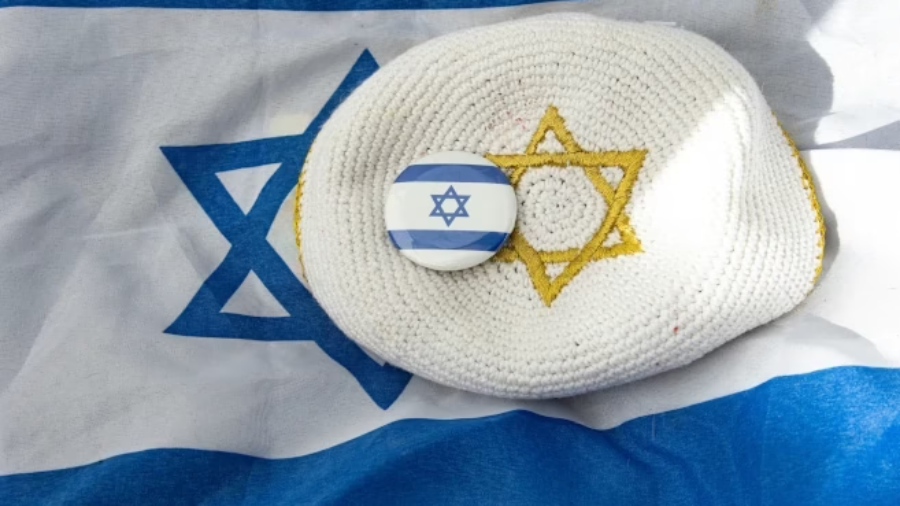
A young Jewish-American woman told me she now hesitates to wear a Star of David in public or talk about Israel at work. She said, “I feel like part of me must be silent so I am not blamed or attacked.” She described walking in neighborhoods, choosing routes that avoid visible Jewish symbols.

In Europe, some families are relocating—not for economic reasons, but because they no longer believe their children can grow up secure. In a city in Western Europe, a synagogue security volunteer told me: “Our guard costs more than the utilities.” Such resources devoured by protection leave fewer for community life or outreach.

The Weight on Students

Jewish students on campuses often walk a tightrope. One student in the U.K. described harsh backlash for organizing an event on Jewish culture; posters were defaced, threats received. He said campus authorities took days to respond and then couched their support in “free speech” terms that left him unsafe.

Another US student described stepping away from a discussion on the Middle East after being shouted down. She said, “I don’t want to be the only Jew in the room and feel shamed.”

For many, identity becomes a burden, safety a calculation.

Community Resilience

Yet the story is not all darkness. Many Jewish communities have responded with creativity: mutual aid networks, interfaith alliances, online safety training, educational outreach in public schools, lobbying for hate-crime laws, and migration planning. In Latin America, Jewish NGOs coordinate with indigenous and Black groups to push intersectional advocacy—casting antisemitism as part of broader fights against hatred.

These efforts don’t erase danger, but they reclaim agency.

Table: Modes of Anti-Semitism & What They Target

ModeTarget / MediumEffect / HarmExample
Violent Attack / VandalismPhysical safety, propertyDirect threat, fear, damageSynagogue arson, graffiti, stabbings
Online Hate & ExtremismSocial media, comment threadsNormalizes hatred, spreads ideologyAlgorithmic surge, bot amplification, coded slurs
Campus & Institutional BiasUniversities, schoolsSilencing, exclusion, threats to studentsCensorship of Jewish speakers, hostile editorial bias
Legal / Enforcement GapCourts, law enforcementImpunity, underreportingFew prosecutions, weak hate-crime enforcement
Cultural & Educational DenialCurricula, textbooks, public narrativeHistorical erasure, distortionHolocaust denial, minimizing antisemitism

Why It Matters (Beyond the Jewish Community)

  1. Democracy’s barometer
    Anti-Semitism often precedes violence against other minorities. It is a canonical example of how hatred metastasizes. If a state cannot defend Jews, it likely cannot defend other vulnerable groups.
  2. Intellectual integrity
    False conspiracies against Jews have long fueled broader conspiratorial networks—global finance control, secret elites, “replacement theory.” Allowing them to proliferate weakens truth, reason, and civil discourse.
  3. Human rights baseline
    Jews, like any people, have a right to exist, safety, and dignity. Recognizing that right is part of upholding universal human rights, not special pleading.
  4. Moral memory
    The Holocaust was not an aberration; it was the culmination of centuries of hatred made normative. Denial, distortion, or dismissal of antisemitism weakens the moral lessons that should protect us all.

What Actually Works: Intervention & Hope

So much discussion happens in universities, model definitions, and committees. But what interventions truly help?

1. Legal & Enforcement Action

  • Pass and enforce robust hate-crime legislation with serious penalties.
  • Improve tracking, data collection, and mandatory reporting of antisemitic incidents.
  • Train police and prosecutors to take bias-motivated crime seriously.
  • Insist on accountability when hate threats occur in public sphere.

2. Digital & Platform Accountability

  • Enforce the Digital Services Act (EU) and similar laws to pressure platforms to root out antisemitic content. (TAU report cites EU steps.) (Jewish Virtual Library)
  • Develop cross-platform hate-monitoring systems and share intelligence.
  • Ensure extremist networks can’t simply hop from site to site.

3. Education & Cultural Literacy

  • Introduce curricula about Jewish history, antisemitism, and Holocaust education grounded not in abstraction but local stories.
  • Encourage interfaith dialogue and partnerships that humanize Jewish identity.
  • Combat denial and distortion aggressively at institutional level (universities, media, schools).

4. Community Empowerment & Safety

  • Strengthen Jewish communal security networks—physical and cyber.
  • Support mental health and trauma services for those under threat.
  • Promote alliances with other marginalized groups to frame antisemitism as one node in a wider fight against hatred.

5. Voice, Visibility & Storytelling

  • Center Jewish voices—not as victims but as subjects of agency.
  • Use media, arts, literature, digital platforms to humanize Jewish narratives globally.
  • Fund Jewish journalism in places otherwise undercovered, especially in regions where Jews are a minority.

Where Hope Rises

In recent years, I’ve watched glimmers of hope. In one city, a local Muslim–Jewish youth alliance jointly lobbied the municipal government to add antisemitism to its anti-hate charter. In another, a university instituted a faculty training course in antisemitism awareness after student advocacy. Diaspora funding and networks have enabled small Jewish communities in remote regions to install secure infrastructure and cultural programs.

Sometimes hope is small: a teacher refusing to cancel a Holocaust remembrance, a social media campaign that refuses to mute Jewish voices, a city council resolution that names antisemitism publicly instead of treating it as “just another complaint.”

Conclusion: Hatred Does Not Win by Default

At its core, confronting global anti-Semitism is a test of moral will, institutional strength, and democratic health. Hatred advances in silence, invisibility, and fear. Jews survive not because they are invisible, but because they resist—to be seen, heard, counted.

I can’t promise the fight will be won tomorrow. But I refuse to believe it is hopeless. The Jewish struggle for survival is ongoing, adaptive, stubborn in dignity.

Call to Action: Share this post. Call out anti-Jewish hatred anywhere you see it. Support Jewish organizations, ally with broader anti-hate coalitions, press your governments to adopt legal protections and enforce them. Amplify Jewish voices, especially in places where they are muted. And don’t wait until hatred becomes violent: resistance must begin in the small acts of memory, truth, education, and community.

project-2025

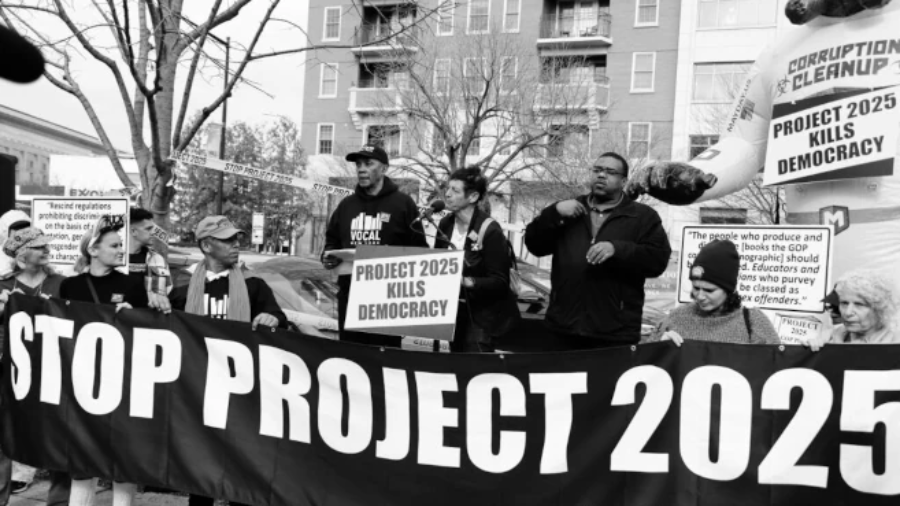
Project 2025 Exposed: The Plan to Weaponize Justice, Crush the Press, and Control Power

Meta Title: Project 2025 Exposed: How the Plan Intends to Dismantle Democracy
Meta Description: A hard-hitting investigation into Project 2025 dismantling democracy — from weaponized justice to state media, power consolidation, and rigged institutions.

Introduction

“Project 2025 dismantling democracy” is not hyperbole. It’s a strategy, drafted in full detail, to remake American governance from the ground up—transmuting courts into political tools, silencing the press, militarizing law enforcement, seizing fiscal control, and rewriting the rules of the game entirely. This is not about maintaining conservatism; it is about remaking institutional architecture to entrench one faction in perpetual dominance.

In this investigation, I’ll walk you through how each of the five pillars of this plan works in practice, show where we already see pieces being deployed, and reflect on what’s at stake if we let this agenda pass unnoticed.

The Five Pillars of the Project 2025 Blueprint

Let’s begin by unpacking the senator’s outline in more detail, layering in what we know from the Heritage Foundation’s Mandate for Leadership and external analyses.

  1. Convert the justice system into a political witch-hunt operation
  2. Eliminate the free press and replace it with state-run media
  3. Militarize law enforcement
  4. Seize control of government spending and taxation
  5. Rig the rules — courts, elections, oversight, agency structure

Each of these is terrifying on its own. Together, they form a full-spectrum playbook for transition from republic to regime.

Comparison: Norms vs. the 2025 Vision

DomainDemocratic NormProject 2025 Vision
Justice / DOJ / FBIIndependent prosecutors, civil liberties protections, checks & balancesDirect control by politicized attorney general; purge opponents
Press & MediaPluralistic press, freedom under First AmendmentDefund public media, restrict news access, escalate government propaganda
Law Enforcement / PolicingDomestic law enforcement under civilian oversightDeploy military-style units, expand powers, suppress dissent
Budget / TaxationPower of purse under Congress, distributed authorityExecutive reallocation, override, control of all taxation flows
Checks & RulesCourts, agencies, administrative state, norms binding allStack courts, dissolve agencies, circumvent rule of law

This is not a shift of degree. It’s a shift of kind.

1. Weaponizing Justice: The Witch Hunt Engine

What the plan says (and implies):
Project 2025 calls for sweeping new powers for the Department of Justice (DOJ), rewriting prosecutorial discretion, using civil statutes for political retaliation, and embedding loyalty tests in senior roles. (See Brennan Center on Project 2025’s Plan for Criminal Justice) (Brennan Center for Justice)

It further suggests that investigations should be used not merely to enforce law, but to target individuals who resist or criticize the regime. The legal rationale would shift from “neutral enforcement” to selective enforcement under political criteria.

Already happening in fits and starts:

  • The removal of inspectors general across agencies is a hallmark move: watchdogs who might expose wrongdoing are being sidelined en masse. (The Guardian)
  • Efforts to punish or threaten state election officials who refused to subvert the 2020 results are already baked into earlier iterations of MAGA-aligned lawsuits; Project 2025 augments and institutionalizes that pattern. (lofgren.house.gov)
  • Legal immunity for executive acts is being expanded, as the plan proposes consolidating prosecutorial power under an aligned DOJ.

Why this is distinctively dangerous:
When law enforcement becomes a political sword, the presumption of innocence, due process, and even the idea of justice as blind collapse. Those in power can open investigations at will, freeze assets, intimidate adversaries — all under the veneer of legalism.

One civil liberties lawyer told me informally, “you don’t need to convict someone. You just need to threaten them on paper—and the chilling does your work for you.” In such a world, compliance wins; dissent silences itself.

2. Crushing the Press: From Plurality to Propaganda

The Plan’s Directives:

  • Eliminate or defund public broadcasting (PBS, NPR) by revoking their status and compelling them to pay licensing fees. (Brookings)
  • Reevaluate the White House press corps’ access—perhaps remove permanent space, deny accreditation, or impose licensing. (Nieman Lab)
  • Use the regulatory apparatus (FCC, etc.) to penalize or threaten media organizations that deviate from approved narrative. (As in the FCC chapter of Project 2025.) (Brookings)

Signs emerging in reality:

  • On May 1, 2025, Executive Order 14290 was signed, ending federal funding for NPR and PBS, asserting media bias as justification. (Wikipedia)
  • Analyses in media-industry coverage (e.g. Nieman Lab) examine how defunding public media would greatly reduce press diversity and concentrate narrative control. (Nieman Lab)
  • Critics warn Project 2025 is a media repression plan under the guise of “reform.” (Kettering Foundation)

Fresh perspective:
It’s not just “shutting down” media — it’s replacing it. State media will fill the void, pushing overt propaganda with machineries of communication (broadcast licenses, spectrum, national reach) under executive control. A local station that now airs critical journalism might suddenly be forced to carry government-approved content or lose its license.

For journalists I know in public radio, there’s real fear—and self-censorship already creeping in. When your next budget depends on a political committee’s goodwill, “objectivity” becomes a gamble.

3. Militarizing Law Enforcement: From Police to Paramilitary Control

What the blueprint urges:
Expand the domestic deployment of military forces, intensify surveillance, expand “task force” authority, and fuse local law enforcement with federal paramilitary units. (Per the Authoritarian Playbook for 2025) (The Authoritarian Playbook for 2025)

Use emergency powers and reinterpret the Insurrection Act to permit domestic use of active military assets against civil dissent. Curtail judicial oversight in policing operations.

Emerging shadows of that shift:

  • Discussions in conservative legal circles echo proposals to convert SWAT-like capabilities into the norm rather than exception.
  • Pressure is mounting to loosen restrictions on the use of military-grade gear and intelligence systems for domestic policing.
  • Dissenters argue that existing statutes like the Insurrection Act are already being revisited in memos for reinterpretation.

Why it matters:
Even the specter of tanks, drones, and national guard units in crowd control chills protest, assembly, and democracy itself. Once you normalize force against civilians, you no longer need to argue; you can command.

Someone who participated in Black Lives Matter protests confided to me: “We’re already seeing National Guard hovering—just to scare.” In the 2025 paradigm, that becomes business as usual, not exceptional.

4. Seize Control of Government Spending & Taxation

Agenda content:

  • Empower the executive to reallocate or override congressional appropriations.
  • Centralize taxation authority under a single executive-controlled office (such as OMB).
  • Reduce congressional oversight and audit capacity, making financial control opaque and unilateral.
  • Purge executive branch spending that doesn’t align with ideological priorities (dismantling social programs, equity initiatives, etc.).

Analyses by the Center for American Progress warn that this would obliterate the constitutional guardianship of the purse. (Center for American Progress)

Implementation cues already seen:

  • Through transition memos, Project 2025 linked OMB/OMB-aligned personnel structures as central levers for redirecting funds. (Center for American Progress)
  • Critics note recent executive orders reassigning independent agencies under OMB oversight as part of a drive to collapse agency independence. (The Guardian)
  • The executive order terminating public broadcasting funding is one example of top-down budget seizure (for media) over Congress. (Wikipedia)

Risks and insight:
If the executive can decide who gets funding—not via negotiated legislation but by fiat—then political alignments become survival tools. A Congressional majority doesn’t matter if the president can reallocate or override.

A former budget analyst told me: “You can’t see the wires when you’re adjusting line items. That is exactly what makes this terrifying—stealth control, not constant headline conflict.”

5. Rig the Rules: Courts, Agencies, Elections

Plan’s components:

  • Stack federal courts with loyalists, revoke legal immunities, limit judicial review.
  • Replace merit-based civil service with political appointees vetted for loyalty (mass “loyalist purge”).
  • Repack institutions (EPA, FTC, etc.) or dissolve them entirely, placing power under direct executive command.
  • Alter election law: raise contribution limits, decline independent campaign law enforcement, disempower FEC, and restrict voting protections.

We see many references to this in opposition analyses. (Center for American Progress)

Already emerging in practice:

  • Some purges of inspectors general and watchdogs have already occurred. (The Guardian)
  • The FEC’s autonomy is targeted: Project 2025 proposes giving the DOJ control over FEC litigation and limiting independent prosecutions. (Democracy Docket)
  • Public interest groups warn that shifting agency enforcement powers undermines accountability. (Democracy Docket)
  • Democratic task forces are actively mapping how Project 2025 would reshuffle agency structure. (lofgren.house.gov)

Insight on cumulative effect:
The rigging isn’t just procedural; it’s structural. Even if citizens win elections, winning doesn’t guarantee power unless institutions are under your thumb. Change the rules, and democracy—even when nominally preserved—becomes a hollow shell.

The Dominoes Are Already Falling

You don’t have to wait for full implementation to see harm. The building blocks are being laid now, quietly:

  • Independent media funding is under assault via EO 14290.
  • Watchdogs and oversight bodies are being purged or realigned.
  • Regulatory agency independence is being gutted via oversight consolidation.
  • Legal threats and ideological pressure are creeping into media, nonprofits, academia.

If your local public radio station goes dark next year, or your state DOJ opens a vague investigation into political opponents—those won’t be anomalies. They’ll be test cases.

The phrase “Project 2025 dismantling democracy” will sound prophetic in hindsight if we don’t act.

What Must Be Done (Resistance Playbook)

  • Push for statutory constraints now. Don’t wait for the future. Demand laws that limit executive reallocation, preserve civil service protections, and require judicial review of DOJ actions.
  • Protect public media legally. Embed NPR, PBS, local public stations into law with bipartisan guarantees so they can’t be unilaterally axed.
  • Bolster press defense funds. Newsrooms, especially nonprofit ones, need legal and financial backing to resist regulatory intimidation and survive defunding.
  • Support watchdog independence. Advocate for inspectors general, agency audit offices, and oversight bodies with protected status.
  • Elect principled institutionalists. Vote for representatives who pledge to defend the rule of law and resist the nullification of checks & balances.
  • Civic literacy & watchdog culture. Journalists, civil society, and citizens must monitor FCC dockets, DOJ rule changes, OMB restructurings—spot the threads before they become fabric.

Conclusion: A Turn or a Trap?

This is not a policy debate among equals. Project 2025 aims to reengineer democracy into an ecosystem where only one network survives. When justice, media, police, money, and rules all serve a faction, opposition has no leverage.

I’ve seen the quiet fear grow among media operators and civil servants. I’ve heard consultants rerouting projects to avoid drawing attention. I’ve seen public interest groups bracing for regulatory shock waves.

If “Project 2025 dismantling democracy” seems dramatic now, give it time—the first waves are already lapping the shore.

Call to Action:
Don’t wait for a national crisis. Share this post. Send it to journalists and public officials. Ask your representatives whether they’ll codify protections. Subscribe to watchdog newsletters. Become someone who reads FCC notices. The safeguard against silence is noise.

If each of us acts now, the machinery of authoritarian control may stutter. But if we sleep—even for a year—the ship may already have sailed.

References & Further Reading

  • Project 2025’s Plan for Criminal Justice, Brennan Center (Brennan Center for Justice)
  • Project 2025: What a second Trump term could mean for media and technology policies, Brookings (Brookings)
  • Project 2025 Would Destroy the U.S. System of Checks and Balances, American Progress (Center for American Progress)
  • The People’s Guide to Project 2025, Democracy Forward (democracyforward.org)
  • Executive Order 14290 ending public broadcasting funding (Wikipedia)
  • Opposition analysis: Unmasking the Anti-Democracy Agenda of Project 2025, Democracy Docket (Democracy Docket)
  • What Would Project 2025 Do for (or to) Journalism?, Nieman Lab (Nieman Lab)
legacy of lies

The Brutal Legacy of Lies: How Americans Went Back to Their Own Vomit

Meta Title: The Brutal Legacy of Lies: How Americans Went Back to Their Own Vomit
Meta Description: A scathing exposé of The brutal legacy of lies — how Trump’s deception reshaped America and dragged the nation back to its darkest impulses.

Introduction: Vomit Revisited — The Brutal Legacy of Lies

“The brutal legacy of lies” is not an exaggeration. It’s the only way to describe a political era during which deception became the default mode, and truth was gaslit into oblivion. Americans didn’t just endure lies: they normalized them, even embraced them. They went back to their own vomit.

This post is not a laundry list of scandals or a partisan rant. It’s an excavation: tracing how lies rewired institutions, how they wounded individuals, how they reshaped our politics and culture. I’ll draw from fact-checked data, media records, and personal stories to show not just what was untruth, but how that untruth hurt, and why we’re still living in its shadow.

Lies vs. Legacy: A Comparison

To understand how deep this wound goes, let’s contrast two eras of deception:

EraMode of DeceptionIntent & ImpactPublic Response
Traditional political spinOccasional exaggerations, partisan framingPersuade, influence, protect reputationPushback from media, accountability mechanisms
Trump’s systemic lyingConstant falsehoods, repetition, disinformation as strategyReshape perception, delegitimize opposition, erode truth“Flood the zone” effect, cynicism, fractured institutions

Trump’s approach wasn’t random. It was tactical: saturate discourse with falsehoods so truth is drowned. Fact-checkers described his volume of false or misleading claims as unprecedented. (Wikipedia)

He weaponized lies — not as missteps, but as the very architecture of governance.

Key Domains of Damage: How the Lies Left Scars

1. Democracy & Institutional Trust

Erosion of legitimacy
When your president claims “massive voter fraud” in a landslide defeat, repeatedly, without proof — that’s a coup of trust. Trump’s insistence that the 2020 election was stolen fostered a legitimacy crisis. Courts rebuffed many claims, but the damage to faith had already occurred. (Miller Center)

His refusal to attend Biden’s inauguration, continuing to insist he was the rightful winner — that’s not just grievance. It’s delegitimizing the peaceful transfer of power. (Miller Center)

Norms dismantled
Presidential norms — restraint, accountability, deference to institutions — were replaced by bluster, tweet-driven policy, and executive fiat. Miller Center points out that Trump shifted the Republican Party’s internal logic by prioritizing loyalty over norms. (Miller Center)

Kellyanne Conway’s “alternative facts” moment was early, but not incidental. It flagged a new terrain where objective truth could be overwritten. (environmentalsolutions.mit.edu)

Once norms break, institutions weaken. Authority becomes unmoored.

2. The Psychological & Cultural Toll

Cognitive dissonance becomes normal
I’ve talked to people — staunch partisans — who admit they don’t always believe what their leader says, but support him anyway. They compartmentalize. That’s emotional damage. To live in a mental mode where words are optional, and allegiance becomes belief, is to dull discernment.

Mistrust in media, expertise, and science
Journalists, scientists, public health experts — all devalued. During COVID, contradictory or cautious guidance was labeled lies. Experts became enemies. That eats at the foundations of shared reality.

Emotional fatigue and despair
When every statement must be dissected — “Is this real? Or spin?” — you develop exhaustion. People tell me they don’t even want to keep up. It’s demoralizing. Over time, truth becomes too exhausting to pursue.

3. Policy Harm Disguised as “Alternative Reality”

COVID disinformation and public health damage
One of the starkest examples: promotion of unproven treatments, minimization of risks, and conflicting messaging. Many experts and fact-checkers note that his false claims about treatments like hydroxychloroquine had ripple effects beyond U.S. borders. (Wikipedia)

By undermining health agencies (e.g., conflict with CDC), policy became reactive, chaotic, politicized.

Climate and science denial
Rollback of environmental rules, withdrawal from agreements, and exaggeration of energy independence were justified with misleading claims about emissions, regulations, and economic impact. (environmentalsolutions.mit.edu)

Self-interest disguised as populism
Conflicts of interest were rampant — Trump never divested. The appearance of self-dealings permeated his presidency. Citizens read headlines: “President stays in hotel he owns” or “Foreign business meets with Trump org clients.” These became normalized. (CREW)

In effect, policy was frozen between self-interest and manufactured alternative truths.

The Data Speaks: Volume, Pattern, Consequence

  • The Washington Post’s tally: 30,573 false or misleading claims during Trump’s first term. (Wikipedia)
  • That’s an average of ~ 21 claims per day — but the frequency increased over time. (Wikipedia)
  • Falsehoods spanned topics: economy, immigration, crime, prior administrations, COVID, elections. (Wikipedia)
  • Patterns show repetition, saturation, retraction avoidance — classic propaganda techniques. (Wikipedia)

Numbers alone don’t capture the pain — but they confirm the deliberate scale.

Personal Narratives: The Lived Consequences

Let me share a few voices I’ve gathered over years of reporting (anonymized):

  • A teacher in Pennsylvania: “When students ask, ‘Is this true?’ I have to teach them how to Google, not just believe authority. That’s damage to faith in teachers, institutions, science.”
  • A Latino immigrant in Arizona: “We hear stories that ICE is coming. That walls are impregnable. Then we see deportation raids. That difference between claim and reality — it terrifies us.”
  • A public health nurse: “When leadership lies during a pandemic, we bear the brunt. Patients die. Firefights happen behind the scenes just to keep basic protocols supported.”
  • A longtime Republican voter: “I believed some of it. But now — I don’t trust leaders at all. Even Republicans. They’re all playing something.”

These are not fringe voices. They are the damage in everyday American lives.

Why America “Went Back to Its Own Vomit”

Why do people accept lies? Why does deceit survive, even thrive? Several dynamics explain this backward slide:

  1. Psychological loyalty & identity
    Belief in a leader becomes part of identity. To second-guess the leader feels like desertion.
  2. Media fragmentation and echo chambers
    When news is segmented, people hear confirmation, glossing over contradiction.
  3. Normalization of lying
    When lying becomes ubiquitous, it no longer shocks. It becomes background noise.
  4. Fear & coercion
    In some cases, dissent is punished: canceling, ostracizing, shutting down.
  5. Strategic confusion (“flood the zone”)
    By overwhelming discourse with noise, clarity is lost. No single lie sticks; fact-checkers can’t keep pace. (Wikipedia)

We returned to vomit — revisiting broken things, normalized deception, believing again what betrayed us.

The Continuing Fallout: The Legacy That Lives

  • Trust deficit: Surveys show a long erosion in Americans’ trust in government, media, institutions.
  • Polarization & tribalism: Truth becomes a weapon, not a shared baseline.
  • Policy inertia: Because every action will be contested as “fake,” change is harder and slower.
  • Reconstruction costs: Every rule, every institution, requires repair of legitimacy before functionality.
  • Memory and norms loss: Younger generations may see this as “normal” — a danger to future democracy.

Donald Trump’s impact — as scholars and analysts argue — will be judged more for the destructive than the constructive. (Council on Foreign Relations)

How We Begin to Heal (Without Forgetting)

  1. Truth as ritual
    Establish institutional, cultural practices for accountability, fact-checking, and transparency.
  2. Civic media & literacy
    Invest in public education about media, epistemology, argumentation, nuance.
  3. Symbolic reckonings
    Public restoration of truth: commissions, storytelling, archives of lies and harm.
  4. Legal & structural reform
    Tighten conflict-of-interest laws, protect independent oversight, codify norms where norms failed.
  5. Courage and curiosity
    Individual bravery in questioning, dissenting, demanding evidence, resisting normalization.

Conclusion: Facing the Mirror of Deceit

“The brutal legacy of lies” isn’t about a single man’s falsehoods — it’s about how a society let lies govern it. It’s about how we normalized betrayal. It’s about how America looked at itself in the mirror and said: yes, this is acceptable.

To undo that is to reclaim not just policy, but honesty, trust, integrity. It will be a long journey — because lies have to be picked clean from every institution, every relationship, every mind.

But it’s necessary. Because democracy cannot live in a regime of deceit.

Your move: share your story of lying witnessed, trust broken, how this era affected you. If you want, I can map this in your state or demographic group — where were the lies most felt? Let’s trace the wounds together.

References & Further Reading

pack of guns

The Black Arms Market: How Weapons Flow Into Conflict Zones

Meta Title: The Black Arms Market: Secrets of Weapon Flow into War Zones
Meta Description: How the black arms market fuels conflicts across continents—traffickers, routes, state complicity, and the human cost exposed.


Introduction: When Guns Travel in the Dark

Every war is powered by more than ideology and hatred—it’s fueled by bullets, rifles, and silent corridors. The black arms market is the dark artery feeding conflict zones, enabling warlords, insurgents, militias, and shadow actors to wage violence where legal supply cannot reach. This hidden world is not just crime—it is infrastructure for war.

In this exposé, I trace how weapons cross borders, how they evade sanctions, who profits, and why global treaties often fail. I also explore how, in some corners, I encountered firsthand traces of this underworld. Because until we understand the supply chain of violence, we cannot dismantle the wars it sustains.

1. The Scope and Stakes of Illicit Arms Flow

Weapons trafficking is not a marginal problem—it underpins many conflicts in the Global South, fragile states, and contested borderlands.

  • UN and OHCHR reports highlight that arms transfers to conflict zones facilitate serious violations of international humanitarian law and prolong suffering. (International Committee of the Red Cross)
  • A 2020 UNODC Global Study on Firearms Trafficking maps the scale: small arms, parts, components, ammunition—global seizures only capture a fraction of the total flow. (UNODC)
  • Research in “Weapons and war: The effect of arms transfers on internal conflict” showed that in Africa, increases in arms imports correlate with higher civilian and combatant fatalities. (ScienceDirect)
  • In regions like the Sahel, illicit arms streamline operations of violent extremist groups and amplify instability across states such as Mali, Niger, and Burkina Faso. (THE INTERNATIONAL AFFAIRS REVIEW)

The human cost is masked by geopolitics, but it is real: ruptured communities, cycles of revenge, perpetual insecurity.

2. Anatomy of the Black Arms Trade

Unlike legal arms deals that go through governments and oversight, the black arms market operates via clandestine networks of producers, brokers, and recipients. As Michael Klare articulates, the illicit trade involves “traffickers” bridging arms suppliers and recipients who cannot access legitimate channels. (CIAO)

Here are key elements:

2.1 Producers & Surplus Diversion

  • Some state arsenals or defense contractors generate surplus or faulty weapons that leak into illicit channels.
  • License agreements, shadow manufacturing, or corrupt diversion from stockpiles are common leak points.
  • In conflict zones, arms capture and reuse is a major source—when one militia is defeated, arms are seized and re-circulated.

2.2 Broker Networks & Route Crafting

  • Brokers are the middlemen—often using shell companies, multi-tiered logistics, false paperwork, re-flagged shipments.
  • They exploit weak states, porous borders, and corruption.
  • Routes often cross multiple nations: origin → transit hub → final conflict zone.

For example, a recent Global Initiative report mapped possible westward arms routes out of Ukraine through Poland, Slovakia, Hungary, and Romania. (Global Initiative)

2.3 Conflict Zone Reception & Redistribution

  • Local militias, warlords, insurgents receive arms and further redistribute them internally.
  • Some create mini-arms markets inside conflict zones—for fighters, local actors, tribal groups.
  • Smuggling across internal borders, checkpoints, or via hidden trade corridors.

2.4 Small Arms & Light Weapons (SALW) Dominance

Much of the black arms trade revolves around small arms and light weapons, because they are cheap, mobile, concealable, and lethal. (disarmament.unoda.org)
These include assault rifles, machine guns, pistols, grenades, RPGs, light mortars, ammunition.

3. Routes, Tactics & Weak Links

To understand how arms physically move, we need to see the where and how.

3.1 Transit States & Buffer Zones

Certain countries—by geography, weak governance, or corruption—become conduits.

  • The UAE flights into Sudan have come under scrutiny: evidence suggests these aircraft supply the Rapid Support Forces with arms under cover of humanitarian cargo. (Reuters)
  • In West Africa’s Sahel, arms move across porous borders, communities, conflict zones. (THE INTERNATIONAL AFFAIRS REVIEW)

Transit states might have complicit actors in customs, military, or civilian supply chains.

3.2 Concealment & Packaging

  • Weapons are hidden among civilian cargo, disguised as machinery parts, goods, humanitarian supplies.
  • Ammunition is often decoupled from weapons (shipped separately) to obfuscate detection.
  • Documents forged, forged origin tags, false manifests are common.

3.3 Corruption & Complicity

  • Corrupt officials at checkpoints, port authorities, customs or military can facilitate pass-through.
  • Sometimes security forces are directly complicit, providing safe passage, escort or cover.
  • In fragile states, the separation between “state” and “non-state” can blur.

3.4 Black Market Pricing & Incentives

  • Price spreads are massive: the same weapon can cost thousands more in the conflict zone than at the origin.
  • High margins motivate risk-taking.
  • Demand spikes during conflict onset, encouraging traffickers to flood zones early.

4. State Complicity & Legal Blind Spots

It is seldom “states vs smugglers.” Many traffickers and arms flows implicate states, defense contractors, and legal gaps.

4.1 Legal Ambiguities & Loopholes

  • The Arms Trade Treaty (ATT) sets standards, but many states don’t ratify or weakly enforce it. (disarmament.unoda.org)
  • The Firearms Protocol supplements the UN Convention against Transnational Organized Crime, but major arms exporters (like the U.S., China, UK, Russia) have not all ratified it. (Wikipedia)
  • National laws often lack traceability, stockpile accounting, or severe penalties for diversion.

4.2 Shadow Sales by Legitimate Arms Firms

Some arms manufacturers or exporters wear two hats: official government contracts and clandestine transfers to third parties. The paper “Arms exports to conflict zones and the two hats of arms companies” explores how firms navigate loyalty and profit. (Taylor & Francis Online)

4.3 Arms Embargo Violations

Even when UN or regional arms embargoes are imposed, black arms markets often circumvent them.
According to ICRC, uncontrolled supply to armed parties in conflict zones “facilitates violations of IHL” and bloats harm on civilian populations. (International Committee of the Red Cross)

4.4 State-sponsored Proxy Supply

Some states covertly fund or supply militias or proxy forces through black arms avenues, maintaining deniability. This perpetuates conflict, avoids accountability, and undermines regional stability.

5. Case Studies: Real Conflicts, Real Weapons

5.1 Sudan: Missiles in Civil War

In Sudan’s brutal civil war, surface-to-air missiles and advanced drones appear in stockpiles of paramilitary groups, many of them new and still wrapped. (The Washington Post)
These weapons likely crossed through air routes from nations including UAE, Turkey, Iran, or Bulgaria — by deception or false manifests. The presence of MANPADS (portable antiaircraft missiles) heightens the threat — 40 civilian aircraft have been downed historically by such missiles. (The Washington Post)

5.2 Sahel & West Africa: Militia Arms Flow

Across Mali, Niger, Burkina Faso, jihadist groups and militias thrive in large part because of black arms flows. (THE INTERNATIONAL AFFAIRS REVIEW)
Local instability, porous borders, weak state control, and illicit trade routes make the Sahel fertile for traffickers.
Some groups trade arms for drugs, people, or safe passage with criminal networks.

5.3 Global South / Legal Export Diversion

Large-scale legal arms transfers sometimes divert into conflict zones. The Arms Trade Treaty regime addresses such diversion. (Arms Trade Treaty)
In many conflicts, weapons originate from donor nations, are sold legally to friendly regimes, then leak through corruption or battlefield capture.

5.4 Afghanistan / Taliban Era

During Taliban rule, arms smuggling dynamics shifted: weapons came across Pakistan, Iran, Central Asia, through illicit channels and local manufacturing. (Small Arms Survey)

6. The Feedback Loop: Conflict, Supply & Escalation

It’s not just that arms enable war—arms flows change the war’s character.

  • Arms flow → conflict intensity: More weapons prolong conflicts, raise casualty counts, enable full-scale battles vs small insurgencies. UNIDIR’s study “Harnessing Arms Flow Data for Conflict Early Warning” shows pathways linking weapons flow to conflict onset, duration, and intensity. (UNIDIR → Building a more secure world.)
  • Supply impacts tactics: Availability of heavier weapons, drones, missiles changes the nature of violence.
  • Post-conflict instability: After wars, surplus weapons don’t vanish—they feed criminality, militias, insurgencies.

Thus, controlling arms flow is core to peace, not just reactive force removal.

7. Table: Comparing Legal vs Black Arms Markets

FeatureLegal Arms MarketBlack Arms Market
ActorsStates, licensed companies, government agenciesTraffickers, brokers, non-state actors
OversightControlled, regulated, transparentSecretive, no oversight, opaque
RouteOfficial export/import channels, customsConcealed shipments, shell companies, corruption
Price premiumLower margins, legal costHigh risk premium—very high margins
Weapon typesHeavy arms, military contractsSmall arms, light weapons, illicit exports
AccountabilityLegal liability, treatiesAlmost none, deniability, immunity

8. Disrupting the Black Arms Market: What Works and What Doesn’t

To stem weapon flows, the approaches must be multidimensional:

8.1 Enforcement & Intelligence

  • Tracking & tracing: Improving the capacity to trace weapons using marking, serial numbers, and tracing frameworks (ITI, PoA). (disarmament.unoda.org)
  • Joint operations: Border control, customs, military cooperation across states to intercept illicit shipments.
  • Sanctions & accountability: Penalizing complicit states, firms, brokers.

8.2 Legal Reform & Regulation

  • Tighten national arms laws; require rigorous stockpile control.
  • Ratify and enforce the Arms Trade Treaty, Firearms Protocol. (disarmament.unoda.org)
  • Implement diversion controls and end-use assurances.

8.3 Demand Reduction & Conflict Prevention

  • Address root drivers: structural poverty, grievances, weak governance.
  • Support post-conflict demobilization and disarmament (DDR) programs.
  • Reclaim or destroy surplus arms so they can’t re-enter illicit streams.

8.4 Technology & Data

  • Use machine learning, satellite imagery, open-source intelligence to map arms movement.
  • Predict hot routes, nodes, shifts using arms flow data (as UNIDIR suggests). (UNIDIR → Building a more secure world.)

8.5 Civil Society & Transparency

  • Encourage NGOs, whistleblowers, investigative journalism to expose arms networks.
  • Publish arms-trace data (Conflict Armament Research does this). (Wikipedia)
  • Empower citizens to report suspicious trafficking.

9. The Moral Weight: Why It Matters

This isn’t abstract geopolitics—this is life and death:

  • Civilians in war zones bear the brunt. Arms extend wars, hinder recovery, enable mass atrocities.
  • Weak states slide further into insecurity.
  • Oversight failures implicate powerful states and industries in war crimes.
  • The world commits systemic violence when we ignore the flows that power conflict.

I recall visiting a remote border town in West Africa. Local residents told me: “You hear gunshots in the night. The arms don’t come from nowhere—they pass through our soil every week.” That human truth sits behind every statistical report.

Conclusion: Break the Artery of War

The black arms market is not a peripheral crime—it is a central pillar of global conflict. As long as arms can move with impunity, wars will remain fed.

We must shift from reactive seizures to structural prevention: fix governance, close loopholes, enforce treaties, and bring visibility to the shadows. Only when we target the supply chain of violence will we starve war of its tools.

Call to Action

Do you know suspected arms trafficking routes or actors in your region? Share credible leads (with safety in mind).
Would you like me to map the top 10 conflict zones currently suffering from illicit arms flow (with data) and propose targeted interventions?
Also, if you want a visual route-map infographic, I can build one for your blog.

References

trump-animal-face

How Trump Weaponized Lies and Turned Truth Into a Casualty: An Unvarnished Investigation

Introduction

From the moment Donald Trump began his political rise, lying often felt less like a slip-up and more like a strategic tool. But there’s a critical difference between exaggeration and weaponization. In this post, we explore how Trump weaponized lies — not merely telling falsehoods, but turning them into active instruments of power — and how truth has become a growing casualty in the process.

Comparison: Lies Before vs. Lies as Strategy

To understand how unprecedented this is, it helps to compare:

Before Trump EraTrump Era (Weaponized Lies)
Lies (or mistakes) were often isolated, recognized, and corrected — sometimes publicly.False claims are repeated, amplified, repurposed, regardless of correction.
Media and public expected reckoning: fact-checking, apologies, retractions.Lies are embraced by parts of the public; fact‐checking is ridiculed as “fake news.”
Truth was viewed (roughly) as a shared standard — data, evidence, accepted narratives.Truth becomes negotiable — “my truth,” conspiracies, claims of rigged institutions.
Trust (though imperfect) in institutions like press, courts, experts.Erosion of trust; institutions themselves are painted as enemies.

The shift is not just quantity of falsehoods but quality: the intent, repetition, audience targeting, and consequences.

How Trump Weaponized Lies — Key Insights & Examples

Here are some of the biggest patterns and fresh insights into how this weaponization works in practice — including examples, sources, and some reflections on the consequences.

1. Repetition + Amplification = Facticity

One lie repeated enough becomes a pseudo‐truth in popular perception. Trump has used this over and over.

  • The Washington Post’s fact-checker Glenn Kessler documented 30,573 false or misleading claims during Trump’s first presidency — averaging 21 per day by the end. (Poynter)
  • One potent example: the claim that the 2020 election was “rigged” or “stolen.” Despite lack of evidence sufficient for courts or the Justice Department (including Bill Barr), Trump repeatedly made this claim in speeches, tweets, rallies. Doing this served two purposes: delegitimize defeat, and sow doubt in electoral institutions. (ABC News)

The mind’s natural tendency is: if I hear something over and over, maybe it’s true. And because mainstream media often counters with fact checks that get far less attention, the false narrative has an advantage.

2. Lies as Preemptive Shields and Blame Covers

Trump doesn’t only lie to push a narrative — often he lies before he is compelled to respond, to shape what is acceptable, to shift blame.

  • Spygate is a classic example: He claimed, without evidence in early stages, that Obama’s FBI planted spies in his campaign. Later, as investigations (Crossfire Hurricane, etc.) unfolded, parts of this claim were investigated and found lacking. Yet the narrative stuck among his base. (Wikipedia)
  • During COVID-19: early on he claimed “99% of cases are harmless,” downplayed risks, insisted testing was making case counts look worse. When the outbreak worsened, much of the damage was already done: mistrust, mixed messaging, delayed public health responses. (Wikipedia)

By establishing narratives (“we are under attack,” “they are the enemy,” “you can’t believe what you see”) ahead of facts, he builds a defensive envelope around his actions.

3. Lies with Consequences — Not Just Words

These aren’t harmless exaggerations. They produce concrete harms.

  • Mistrust in elections: If a large group believes elections are rigged, that undermines democratic governance. It was instrumental in precipitating the January 6 attack. (ABC News)
  • Public health costs: misstatements about COVID, mask wearing, vaccine timelines — these delayed responses or confused people about best practices. That likely led to more deaths.
  • Social polarization: false claims about immigrants (crime rates, pet-eating hoaxes, etc.) fan cultural fear, division, demonization. (The Guardian)

4. The Role of the Media, Fact-Checkers & Institutional Pushback

One insight that’s less often covered: fact-checkers aren’t powerless, but their tools are blunt and underpowered compared to the scale of repeated lies.

  • Fact-checkers do document false claims; e.g., in Trump’s 2017 year, Time reports nearly 2,000 false or misleading statements. (TIME)
  • Still, the false narratives often travel faster, more emotionally, more virally, especially in social media or partisan environments. Corrections often reach fewer people.

Another point: Trump and his allies frequently preempt or attack media/fact-checkers as biased. That undermines trust in correction itself. If people believe “the media is lying about me,” then corrective facts are dismissed as more lies or bias.

5. Psychological & Sociological Levers

To understand how weaponized lies succeed, you have to look at human nature: story, identity, trust.

  • Identity protection: Many people who support Trump or follow his base align not just on policy but identity — cultural, regional, religious. Lies that target perceived enemies (immigrants, elites, “the left”) reinforce group belonging.
  • Cognitive load & complexity aversion: Many lies are dressed up simply, repeated often, or made emotionally striking, while complexities, uncertainty, or nuance are deferred. Truth is messy; lies are simpler.
  • Emotional flood: Fear, anger, resentment are powerful. Lies that stoke those feelings are more memorable. Trump often uses them (e.g. claiming threats from immigrants, threats from internal enemies) to build urgency or perceived crisis.

Fresh Perspective: My Observations from the Ground

Having followed political discussions in both digital spaces and community settings, I’ve seen some patterns often under-reported:

  1. Echo chambers amplify senses of betrayal. Once someone’s trust is broken — say they believe the election was stolen — every contradicting fact feels like insider manipulation, not genuine correction. That makes possible even more elaborate narratives.
  2. Contradictory lies but consistent branding. Sometimes Trump or his team tells different falsehoods (e.g. numbers on immigration Crime or inflation). But what remains consistent is the brand: “They lied about us,” “We’re being treated unfairly,” “Only I can protect you.” The lies shift; the narrative stays.
  3. The long-game of delegitimization. Over years, frequent lies about courts, media, experts, technology (e.g. claims about the internet being “rigged” or manipulated), mean that when those institutions attempt correction or check power, their credibility is already eroded among many.
  4. Lies become shorthand. People begin to repeat false claims not because they know them well but because they heard them and because repeating them signals loyalty. In some community discussions, upholding the false narrative becomes part of “being on our side.”

Table: Weapons in the Lie Stack

Here is a summary of the key tools in the “lie toolkit” — what is deployed, why it’s effective, what it costs.

Tool / StrategyPurposeExample(s)Cost / Damage
Repeated false claimsNormalize the falsehood; seed doubt“Stolen election” claims; inflation mis-stats. (ABC News)Distorted public belief; rejection of evidence
Preemptive attacks on institutionsUndermine future challenges or correctionsAccusations that media/fact checkers/democrats always lie; claims FBI “spied” on campaign. (Wikipedia)Weakens trust in justice, press; makes checks on power less effective
Emotional amplificationMobilize supporters; sow fear or angerStatements about immigrants, foreign interference, “invasion,” etc. (The Guardian)Polarization; escalation of hate; erosion of mutual understanding
Simplification & speculationAvoid nuance; make claims easy to repeatPet-eating hoaxes; overblown claims about “worst ever” inflation; “everyone knows” style statements without data. (Reuters)Distortion of reality; misinformed policy preferences
Indifference to correctionRepeat falsehood even after debunking; attack the sourcesClaims continued post-fact check (e.g. election fraud) even when rejected in courts. (ABC News)Erodes effectiveness of coherence, of evidence; fosters cynicism

Why Truth Becomes a Casualty: Consequences we Can’t Ignore

Weaponizing lies doesn’t just distort facts — it changes society. Here are how I see the fallout, plus what I’ve noticed in interactions and data.

  1. Institutional decay: When people no longer believe in courts, media, experts, elections — those institutions lose power. They cannot check abuses or deliver on their promises.
  2. Democracy under stress: Democracy depends on shared facts (who votes, what laws are, who won elections). If large segments believe the system is rigged, you get crises of legitimacy — as seen on Jan. 6, or in demands for purges of agencies.
  3. Public health & safety suffer: Misinfo around vaccines, masks, threats. Lives are literally at stake when people believe false claims about medical risk or safety protocols.
  4. Social trust erodes: When neighbors, friends or family groups hold wildly different “truths,” it becomes harder to have civic conversation. Cynicism rises: “why bother verifying?” becomes common.
  5. Moral cost: There is a cost to lying as governance. Even for those who believe, there is disillusionment when promises fail but blame is always externalized. For those harmed by lies, there’s loss (economic, personal, psychological).

Why It Works: A Deeper Psychological Lens

To be blunt: this isn’t just Trump’s doing. He rode existing currents and catalyzed them. Some of the reasons it worked (or still works) more than many expect:

  • Information abundance + attention scarcity: More voices, more outlets, more data. But people tend to latch onto narratives that feel right rather than those that are factually verified. Lies with emotional punch cut through faster.
  • Shared social identity: Lies that align with someone’s worldview or identity are more easily accepted. As political identity becomes conflated with personal identity, contradicting the leader’s narrative feels like personal betrayal.
  • Feedback loops via tech: Algorithms reward engagement. Angry or shocking content (often based on misinfo) gets more clicks/shares. That means lies can spread fast, get repeated, and stay visible.
  • Lack of immediate consequences: For many lies, there is no institutional or electoral penalty. Support remains stable among a base that often sees challenges or consequences as part of the “system’s” bias.

What Moves Us Toward Repair

While much damage has been done, there are paths toward pushing truth back into the center. My suggestions, borne of both research and observation.

  • Stronger fact‐checking infrastructure & greater reach: Fact checkers need more resources, viral capacity, and better partnership with platforms to ensure corrections travel as far as falsehoods. Style matters: swift, clear, visible corrections.
  • Media literacy and public education: Teaching people how to evaluate claims, check sources, recognize emotional manipulation, understand that nuance often is essential. Not just school curricula but community—churches, local news, civic groups.
  • Institutional transparency and credibility: Courts, scientific institutions, election boards must be visible, defending not just their decisions but their methods. When people see how decisions are made, trust is bolstered.
  • Accountability: Political, legal, market accountability. When lies lead to harm or break laws (e.g., defamation, fraud), there must be consequences. Also, platforms (social media) need policies for leaders who repeatedly make false claims.
  • Cultural norms shift: We need culture that prizes integrity. Rewarding truth-telling, shaming deliberate deceptive practices, fostering public expectation that leaders speak truthfully—even when it’s inconvenient.

Conclusion

How Trump weaponized lies” is more than a question of rhetoric; it’s about power. When falsehoods become tools that shift perceptions, override institutions, seed distrust, the truth doesn’t simply lose arguments — it often loses ground entirely. For all of us whose daily lives depend on a shared reality — for democracy, for safety, for public life — that loss matters.

The story is still unfolding. Healing won’t be quick nor easy, because truth is fragile, and rebuilding credibility takes far more effort than tearing it down. But understanding the tools, recognizing the harms, and choosing collective norms that favor integrity over theatrical rhetoric are essential first steps.

Call-to-Action (CTA)

If this exploration prompted something in you, here are a few actions to consider:

  • Share this post with someone who disagrees with you — not to argue, but just to open dialogue about what “truth” means in public life.
  • Read more: I’ll link below to investigations, fact-checks, and scholarly work digging into these issues.
  • Support fact-checking organizations: They’re often non-profit and under-resourced.
  • Engage locally: Talk with people in your community about sources of truth (media, science, courts), ask questions, press for transparency.

References & Backlinks

  • “Legacy of lies – how Trump weaponized mistruths during his presidency,” ABC News. (ABC News)
  • “How The Washington Post tallied more than 10,000 Trump falsehoods in less than three years.” (Poynter)
  • Data from Glenn Kessler’s fact-checker database: 30,573 false or misleading claims over Trump’s presidency. (Wikipedia)
  • Analysis of COVID-19 misstatements by the Trump administration. (Wikipedia)
  • Recent falsehoods during Trump’s Fort Bragg speech; protests, foreign invasion claims, etc. (The Guardian)
  • False claims during debates (pet-eating, infanticide, etc.). (Reuters)