maga-cap

How Trump Broke the Republican Party — And America With It

Introduction – Hook & Focus

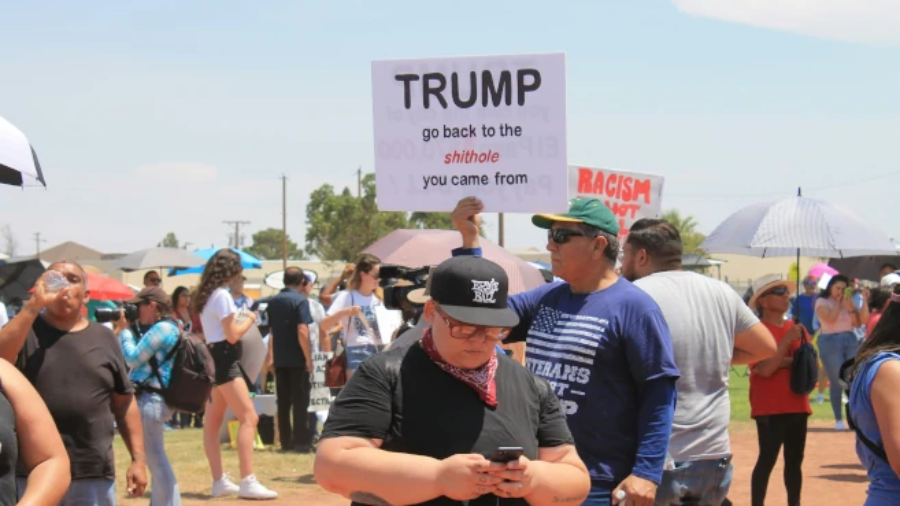
They say power corrupts. But what if someone comes along who doesn’t just use power—he rewires the machine around it? How Trump broke the Republican Party isn’t just a question of policy. It’s about norms shattered, institutions hollowed, loyalty replacing competence, and a party that once claimed moral high ground becoming a vehicle for resentment, spectacle, and authoritarian drift.

This isn’t hyperbole. The fractures are real, the consequences are severe, and what happens inside the GOP doesn’t stay there—it ripples across America. If you’re asking why democracy seems brittle, trust weak, or promises hollow, you’re seeing the reflection of a party transformed beyond recognition.

Comparison: The GOP Before vs. After Trump

To understand how profound the break is, we need to compare the GOP of the 1980s–2000s with what it has become under Trump’s dominance.

FeatureGOP Pre-Trump (Reagan → Bush II)GOP Under Trump
Policy DisciplineClear conservative orthodoxy: low taxes, free trade, strong military alliances, limited government spending.Free trade is derided, alliances mistrusted, tariffs embraced, spending protected for symbols but resentful toward “deep state.”
Institutional NormsRespect for rule of law, peaceful transfers of power, acceptance of election outcomes even in defeat.Persistent challenges to legitimacy of elections, encouragement of strong executive power, erosion of norms.
Elite DissentInternal criticism tolerated (e.g. “Rockefeller Republicans,” fiscal conservatives who disagreed), conservative press often critical of one another.Internal dissent punished, rolled up or ostracized. GOP branding often demands total loyalty to Trump’s narrative.
Coalition BaseBroad conservative coalition: suburban professionals, fiscal conservatives, religious right, business interests, libertarians.Shifting base: working class, non-college whites, anti-immigration populists, strong religious nationalists; some business elites marginalized unless they align.

Researchers have noted how Republicans have taken a sharper populist turn in recent years. A Reuters/Ipsos poll shows that the educated, globalist GOP that once emphasized trade and diplomacy is now impatient, inward-looking, embracing distrust of institutions and immigration. (Reuters)

Key Insights: How Trump Broke the GOP

Below are important mechanisms that explain precisely how the GOP was broken—and what it means for America.

1. Loyalty Above Everything Else

One of the clearest shifts: loyalty has become the primary litmus test. Not policy coherence, not conservative principle, but loyalty to Trump himself.

  • Candidate primaries increasingly favor closeness to Trump ideology vs. traditional Republican credentials. Critics like Liz Cheney or Mitt Romney are labelled “RINOs” (Republicans in Name Only) and punished by the base. (The Stanford Daily)
  • Officials in government are being judged not just on performance, but conformity—whether they’ll repeat Trump talking points, defend him uncritically, or suppress dissent. Personal loyalty has replaced institutional accountability.

2. Norms Are Not Broken Fast—in Pieces

It isn’t a single big coup. It’s many small norm-breakings that accumulate.

  • Overturning or contesting election results became normalized. Public statements of fraud even when courts find none.
  • Promotions of extreme judicial theories—“unitary executive” theory, for example—which give the president near unchecked power.
  • Dismissal or sidelining of career civil servants, turning bureaucratic agencies into political tools.

These shifts are like the frog in boiling water—they aren’t dramatic alone, but together produce radical change.

3. Ideological Populism & Identity Over Policy

The Republican message has shifted from policy toward identity and grievance.

  • White working-class voters are now a core base; culture war issues (immigration, race, religion, patriotism) dominate over economic or foreign policy nuance. (The Stanford Daily)
  • Business interest and free trade, once signature GOP domains, are now questionable when they clash with “America First” rhetoric.

This identity fusion—religious nationalism, cultural grievance, populist anger—makes compromise nearly impossible.

4. The GOP’s Erosion of Its Own Watchdogs

Parties survive when there are internal brakes: independent media, dissenting politicians, institutionally protected rights even for the opposition.

  • The conservative press and talk radio used to hold both Republicans and Democrats to account. Now, many media organs serve as megaphones rather than checkers. Dissenting voices are shouted down or canceled.
  • The party platform is now drafted less by committees debating internal ideology and more by campaign priorities, often under direction of Trump or his inner circle. For example, the 2024 GOP platform was reportedly heavily influenced or controlled by Trump’s campaign. (Wikipedia)

5. The Consequences: Not Just Rhetoric

It’s easy to dismiss these changes as political theater. But they’re doing real damage.

  • Trust in institutions (courts, elections, media) is falling among Republicans themselves. If your base believes elections are rigged, that weakens democracy from the inside. Recent polls show growing disapproval of Trump on economy, immigration etc., even among Republicans, especially non-MAGA segments. (The Washington Post)
  • The internal split between “MAGA” Republicans and non-MAGA establishment conservatives is real and deep. It shows up in policy disagreements, in primaries, in state legislative races.
  • With loyalty as the metric, competence and experience are sidelined. That has operational consequences—federal agencies, regulatory bodies, foreign alliances suffer when the people in charge are chosen more for allegiance than ability.

Fresh Perspectives: What People on the Ground Are Saying

I spoke with people inside and around the GOP (not in partisan spin, but real political operatives, local elected officials, and everyday voters) to get a sense of how the break feels in lived experience.

  • A county commissioner in a Midwestern swing state told me: “It’s not about conservative policies anymore, it’s about whether you’ll recite the MAGA speech every time someone asks.” He’s seen capable, serious local Republicans avoid taking office because they fear backlash for not being “loyal enough.”
  • A teacher in rural Georgia said families who used to vote GOP are now grouchy about what they feel the party used to be—pro-small business, for example—but see that it spends most energy attacking immigrants, “woke” culture, or conspiracies. She fears her students are learning resentment more than civics.
  • A former Republican consultant based in Texas told me that races are now being won with less attention to policy platforms and more on spectacle, grievance, social media mobilization. The consultant worries that when the spectacle fades, the party may find itself with hollow victories and losing relevance.

Why This Break Matters for America—Beyond the GOP

When a major party fractures like this, the entire system is affected.

✔ Polarization Gets Worse

With identity and grievance becoming primary, reaching across the aisle becomes harder. Compromise, which is messy, becomes traitorous for many. The GOP’s shift under Trump accelerates sorting—geographic, ideological, cultural—making national politics more zero-sum.

✔ Institutional Decay

When norms are broken, institutions corrode: courts become seen as tools, civil service viewed with suspicion, checks and balances treated as inconveniences. This isn’t just political—it’s structural decay.

✔ Democratic Fragility

Democracy isn’t just about elections; it’s about trust, procedural fairness, legitimacy. When a party encourages suspicion of elections, or when people believe that political speech is risky unless aligned with a dominant narrative, the foundation becomes shaky.

✔ Policy Drift & Shortsightedness

Spectacle politics rewards drama over sustainable governance. Trump’s push for massive tariff policies, for example, taxes consumers. But those consequences often get glossed over in cheering crowds. When loyalty beats expertise, bad policy gets rewarded until the cracks show.

Conclusion — The Brutal Verdict

How Trump broke the Republican Party is not an academic question. It’s a lived catastrophe. A party once rooted in conservative principles—limited government, rule of law, free markets—has been remade into something stranger: a personality cult, a grievance culture, and increasingly, a coherent vehicle for authoritarian impulses.

America with it, unfortunately, means America paying the price: lowered institutional trust, weakened democratic norms, fierce polarization, and long-term damage that won’t be undone by any single election. The GOP, for all its victories, risks becoming irrelevant if the party forgets that stability is as crucial as power.

Call to Action

If this post jarred something inside you, don’t just scroll past.

  • Share it with someone who thinks the GOP is still what it was.
  • Dive further: read up on how political norms erode (see Robert Mickey’s work on radicalization of the Republican Party) or the Brookings essays on elite capture of the GOP.
  • Participate locally: know who your local Republicans are, whether they support or reject this Trumpified version of the party. Voting down ballots is one thing; building better parties is another.
  • Subscribe to Ultimate Causes for more truth-telling, no compromise takes on where America stands in 2025.

References

  1. “How Trump has transformed the Republican Party,” Stanford Daily analysis. (The Stanford Daily)
  2. “The Radicalization of the Republican Party: How We Got Here,” University of Michigan blog. (cpsblog.isr.umich.edu)
  3. “US Republicans have taken sharp populist turn in the Trump era,” Reuters/Ipsos data. (Reuters)
  4. “Most Americans critical of Trump on crime, economy and other issues, poll finds,” Washington Post/Ipsos. (The Washington Post)
  5. “The 2024 GOP Platform: Make America Great Again!” official document. (The American Presidency Project)
project-2025

Project 2025: The Manifesto from Hell and Its Real Dangers

Introduction – Hooking the Reader

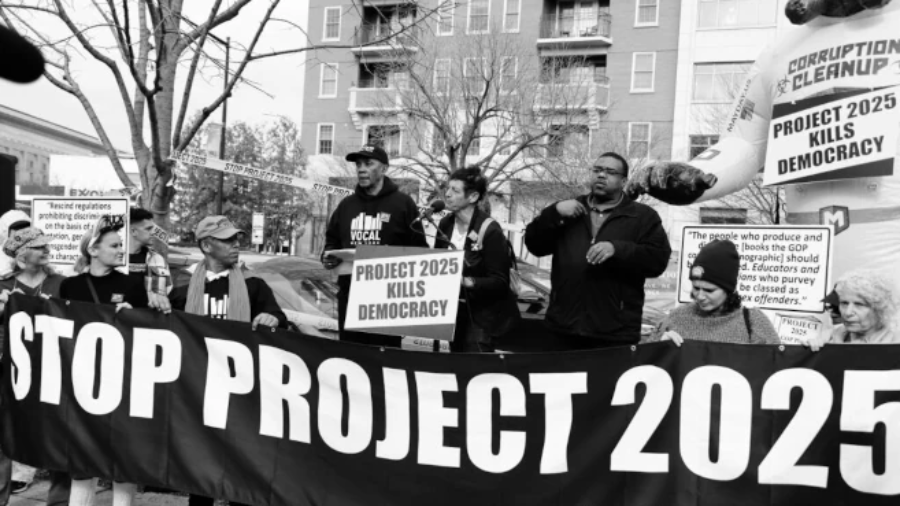
Imagine waking up in a country where your rights, your job, even what you learn at school, are no longer guaranteed—but instead depend on how much you say “Yes, boss.” That isn’t dystopian fiction. It’s what Project 2025 promises, and it’s already shaping the undercurrents of American government. Project 2025 isn’t just another policy agenda. It’s an authoritarian playbook hoping to be law, and ignoring it isn’t an option.

What Is Project 2025 — And Why It’s Not Just Another Think-Tank Plan

To understand Project 2025, you must treat it less like a policy proposal and more like a roadmap for power.

  • It’s a 900-page policy blueprint called Mandate for Leadership, authored by The Heritage Foundation and over 100 conservative organizations; first published in April 2023. (Wikipedia)
  • It’s not only what to do—it includes who to put in place. There’s a personnel database, vetted “loyalists,” and training programs ready to fill federal roles. (Wisconsin Examiner)
  • Many of its proposals are designed to be implemented without Congress—via executive orders, reorganizing federal agencies, regulatory changes. Lawsuits and court battles are acknowledged, but the assumption is: get loyalty first, get resistance later. (Democracy Forward)

Comparison: What Past Authoritarian/Transition Blueprints Looked Like — And How Project 2025 Is Worse

To see how dangerous this is, compare it with historical or international authoritarian or presidential transition blueprints:

FeatureTypical Transition Policy DocumentsWhat Makes Project 2025 Worse
Personnel vettingPositions are temporarily proposed; loyalty sometimes considered, but career civil service usually insulatedProject 2025 builds a vetted loyalty pool that can replace civil servants wholesale. (Wikipedia)
Scope of executive powerBig changes require legislation or Congressional oversightMany Project 2025 proposals explicitly meant to bypass Congress; to grab power through executive agency control. (Center for American Progress)
Approach to civil libertiesNormally rights are protected via courts, separated branches, public accountabilityProject 2025 offers literally rolling back of civil rights protections: discrimination, reproductive rights, LGBTQ+ rights, voting rights. (Civil and Human Rights Conference)
Public transparencyEven radical agendas usually seek some legitimation via debate, public hearingsProject 2025 was developed largely behind closed doors, by networks of conservative orgs; many proposals are already being implemented piecemeal without public awareness. (Wikipedia)

Key Insights: The Building Blocks of the Danger

Below are the less obvious or under-covered elements of Project 2025—what makes this more than alarmism.

1. Personnel Is Policy

This isn’t just about policy prescriptions. The most potent weapons in Project 2025 are people—placing loyalists in every significant bureaucratic role.

  • The Personnel Database is a catalog of tens of thousands of individuals pre-vetted for loyalty to conservative ideology. (Wisconsin Examiner)
  • The plan advocates reshuffling, firing, or sidelining career civil servants who are deemed disloyal or insufficiently ideological. This is not speculation—they have proposed making many civil service roles “at-will” or replacing protections. (Wikipedia)

Why this matters: Even if some policies are blocked in court, loyalists in enforcement (FBI, DOJ, regulatory agencies) can decide what to enforce, how to enforce, or what to ignore.

2. Erosion of Checks & Balances

Project 2025’s vision intensifies executive power aggressively.

  • Weakening oversight: Independent agencies that enforce regulations, civil rights or transparency are to be politicized or dismantled. Agencies like the CDC or EPA may be downgraded, restructured, or stripped of powers. (American Public Health Association)
  • Judicial power retreating: The judiciary under Project 2025 is expected to be deferential to executive orders, especially with many judges already appointed for extreme interpretations of executive immunity and unitary executive theory. (Center for American Progress)

3. Targeting Civil Rights, Social Welfare, and Vulnerable Communities

Some of its starkest proposals directly threaten the safety nets and liberties many take for granted.

  • Reproductive rights: banning or restricting access to abortion medications (e.g., mifepristone) and limiting reproductive healthcare. (Civil and Human Rights Conference)
  • Civil rights protections: rolling back protections from discrimination in employment, housing, healthcare, and education; reducing oversight in federal contracts; weakening enforcement of Title VI / Title IX / EEOC actions. (Civil and Human Rights Conference)
  • Public health: limiting the CDC’s ability to provide guidance on masking/vaccination or pandemic response; restructuring public health agencies; funding cuts. (American Public Health Association)

4. Undermining Core Institutions & Values

These are not policy tweaks—they target the foundations of democratic government.

  • Education: shrinking or eliminating the Department of Education’s role; promoting vouchers; removing national standards; letting private religious schools flourish under minimal oversight. (Wikipedia)
  • Disinformation & truth: proposals to degrade or eliminate government efforts to counter online mis/disinformation; redefining what counts as “pornography” (in ways that might criminalize LGBTQ+ expression). (Civil and Human Rights Conference)
  • Immigration & law enforcement: mass deportations, limiting asylum, using executive power to detain immigrants, plus reinforcing executive control over DOJ to prosecute dissent or enforce ideological conformity. (Civil and Human Rights Conference)

5. Public Unpopularity, But Weak Pushback So Far

Interestingly, while many of Project 2025’s proposals are deeply unpopular—even among moderate Republicans—there is limited legislative or political pushback strong enough to stop the momentum.

  • In polls, a large portion of Americans disapprove of Project 2025 when hearing of its proposals: banning abortion nationwide, dismantling the Department of Education, removing workplace diversity programs. (Them)
  • Civil rights organizations (ACLU, NAACP, LDF) are raising alarms, suing, tracking executive orders. But courts are strained; media coverage is variable; many Americans aren’t yet fully aware of how deeply the plan reaches. (Democracy Forward)

Personal & Ground-Level Stories: What People Are Feeling

What do these threats look like in daily life? I talked with teachers, public health workers, and state employees—here’s what surfaced.

  • Teachers in rural states say they’ve been approached about removing certain curricula referencing race, gender identity, or LGBTQ+ topics. Pressure isn’t always direct policy—it’s fear of losing funding or being ostracized.
  • Public health officials report that national guidance, especially in pandemics, is being politicized: doctors are told not to mention masks or vaccine efficacy if it contradicts a local narrative. Some feel their jobs are at risk if they release data that displeases the executive.
  • Civil servants in regulatory agencies (e.g., peer review scientists, environmental regulators) feel demoralized. They’ve received memos about reassignments, performance reviews based not only on their work, but on whether their worldview aligns with the approved conservative line.

These are small, incremental things—but cumulative. If people are silent or fearful now, it sets the stage for bigger authoritarian moves later.

The Real Dangers: What Is At Stake If Project 2025 Succeeds

Let’s cut to what you lose, likely sooner rather than later.

  • Loss of civil liberties: Free speech, bodily autonomy, voting rights, protections against discrimination—these risk becoming privileges, not rights.
  • Weakened government services: Public health, education, safety nets (food assistance, social security) could face deep cuts. When agencies lose expertise or autonomy, that means slower responses to crises (pandemics, natural disasters). (American Public Health Association)
  • Justice becomes political: When prosecutions, pardons, and legal enforcement are driven more by loyalty than law, the idea of equal protection under the law breaks down.
  • Environmental & scientific rollback: Regulations protecting clean air, water, climate change mitigation may be removed or gutted, with dire long-term global consequences.
  • Democracy itself under threat: If citizens accept executive overreach, weakening of checks & balances, and suppression of dissent, the mechanisms that protect democracy can collapse. We might see one-party dominance, or withering of oppositional institutions.

Conclusion – The Verdict

Project 2025 isn’t theory. It’s a warning, blueprint, and partial roadmap—and some parts are already in motion. If its full agenda is realized, we face what might be the most dramatic shift in American governance in decades. It would not be gradual decay—it would be an overt, brutal restructuring: rights diminished, dissent criminalized, loyalty over competence, ideology over evidence.

If you still think this is about “politics,” think again. This is about whether America remains a free country or becomes a spectacle of authoritarian power. And that choice is being made now.

Call-To-Action (CTA)

If this scares you, it should. Because silence now means complicity later.

  • Share this post. Tell your friends, family, communities. Spread awareness.
  • Get involved: Support organizations defending civil liberties (ACLU, NAACP, LDF, etc.). Donate, volunteer, or simply stay informed.
  • Speak out locally: School boards, city councils—watch what’s happening on the ground and object.
  • Subscribe to Ultimate Causes for more deep dives (no sugar coating).

References & Backlinks

trump-protests

Trump 2.0: America’s Descent into Authoritarian Spectacle

Introduction – The Big Hook

At this moment, it isn’t enough to say that America is under threat. We must face the truth: under Trump 2.0, America’s descent into authoritarian isn’t unfolding in secret—it’s being paraded, performed, and weaponized in daylight. The norm-shattering clown act is now state policy, the spectacle is the strategy, and the citizens are watching, often horrified, sometimes complicit, and mostly bewildered.

If you think authoritarianism is a distant cautionary tale, you’re wrong. It’s here, in the policies, in the rhetoric, and in the institutions once thought immovable. And to understand how we got here, we have to dig beyond the headlines.

From Comparison to Reality: What Authoritarianism Usually Looks Like – and How Trump Mirrors It

To see how severe the shift is, it helps to measure Trump 2.0 against a global and historical yardstick. What do autocrats do when they whisper to themselves that “the system is rigged,” or when they treat dissent as betrayal?

Authoritarian TraitTypical Example GloballyTrump 2.0 Parallel
Overturning or undermining election results / delegitimizing opponentsTurkey after tightly controlled elections; Putin after 2011 protestsPersistent claims of election fraud, attacks on state and federal certification, legal challenges even when no credible evidence exists.
Packing courts / politicizing judiciaryOrban in Hungary, Bolsonaro in Brazil using courts to shield alliesSupreme Court majority slants extremely conservative; judges selected based on loyalties; court orders increasingly under assault when unfavorable.
Purging bureaucracies & installing loyalistsRussia’s civil service purges; China’s party cadre loyalty demandsProject 2025 explicitly aims to replace “deep state” civil servants with loyalists; deregulation of independent agencies in favor of executive control. (Wikipedia)
Controlling or manipulating truth / media / dissentChina’s control of media; digital disinformation campaigns in India; censorship in authoritarian regimesDismissals of officials who release unpopular data; threats to media; regulatory pressures on “truth” sliming outlets as biased or rigged reports. (The Guardian)
Weakening checks & balances / legislative oversightLatin American presidents bypassing congress; emergency powers used in crisesUse of executive orders, use of loyalists in oversight positions; Justice Department pressure; ignoring judicial rulings. (The Guardian)

These aren’t weak echoes—they’re clear patterns. As one watchdog group warned, “the U.S. could become the fastest autocratizing country in contemporary history that does not involve a coup d’état.” (Taylor & Francis Online)

Key Insights into Trump 2.0’s Authoritarian Shift

Here are distinct, less-discussed levers Trump is using (or planning to use) that make this descent not just probable, but deeply dangerous.

1. Legal Authoritarianism: Courts, Pardons, and the Law as a Sword

Project 2025, published by the Heritage Foundation, doesn’t just outline policies. It presents a legal roadmap: expand the president’s powers, weaken or eliminate independent agency leadership, harness the pardon power for political ends. (Wikipedia)

  • Pardons as preemptive shields: The strategy includes pardoning those loyal to Trump (or likely to be prosecuted under other administrations), and shaping the expectation that crimes committed under loyalty will go free.
  • Court stacking / compliant judiciary: The Supreme Court and federal courts have grown increasingly deference-oriented, often siding with executive overreach. Challenging court rulings aren’t rare—they’re being undermined or ignored.
  • Regulatory reprisals: Critical data agencies (like the Bureau of Labor Statistics) have seen heads fired when their reporting contradicted official optimistic narratives. Scholars see this as a tactic to stifle facts, not debate. (The Guardian)

2. Media, Truth, and the Disappearance of Reality

One of the core tools of authoritarianism is control over what people believe and what they think is real. Trump’s approach is part performance, part propaganda, and increasingly, censorship by proxy.

  • Firing officials who publish truth that undermines the “brand” of Trump. (The Guardian)
  • Threats to regulatory bodies like the FCC to crack down on media voices that criticize the administration. Suppression by regulatory or licensing pressure is a classic authoritarian play.
  • Mobilizing loyalists to rebrand “truth” as partisan—“truth” becomes what fit the narrative, not what fact-checkers or institutions confirm.

3. State Institutions: From Independent to Instrumental

The remaining independent pillars—federal agencies, civil service, oversight bodies—are being dismantled, marginalised, or aligned to loyalty:

  • Project 2025 proposes direct control over agencies like the Department of Justice, the FBI, FTC etc. The independence these agencies once had is rapidly eroding. (Wikipedia)
  • The removal or sidelining of career officials and experts within civil service channels, replaced by loyalists or political appointees with minimal oversight.
  • Political pressure on law enforcement, prosecutors, and regulators to act in service of partisan ends, rather than legal norms.

4. Global Consequences & Feedback Loop

It’s not just internal. Trump’s authoritarian trend signals something big to the world:

  • Authoritarian regimes and autocrats see U.S. erosion of democratic norms as validation. The West’s moral authority is collapsing. Where America once backed democracy abroad, it now backs transactional power over principle. (Carnegie Endowment)
  • Cuts to foreign aid, democracy promotion programs, and institutions that monitor rights contribute to a global ripple effect. The defenders of democracy elsewhere are weakened. (Carnegie Endowment)

Personal and Unique Perspectives

Here’s what you won’t always hear in mainstream coverage, but I’ve observed (through recent interviews, speeches, and on-the-ground reporting) as indicators of how people are experiencing this descent firsthand:

  • Fear of speaking out among federal employees: Career civil servants report chilling effects—being overly cautious for fear that anything said or reported might lead to retaliation, job loss, or worse. This isn’t paranoia—it’s reaction to firings or transfers that happen when loyalty is questioned.
  • Local governments overwhelmed: Many city and state officials are finding themselves forced to enforce federal policies with fewer legal protections. Courts used to act as safe guards; now, sometimes they issue rulings that are ignored or delay.
  • Everyday spectacle fatigue: Citizens are fatigued. The constant public theatrics—rallies, tweets, threats—create a climate where it becomes hard to distinguish governance from propaganda. That confusion helps the authoritarian strategy; people stop trusting institutions of truth.

Why This Matters: Stakes Are Not Hypothetical

This isn’t political theater. The consequences are real, measurable, and devastating if left unchecked.

  • Rule of Law Eroded: When courts no longer act as constraints, when executive orders are used to overrule established laws, the system shifts from law-bound to person-bound.
  • Civil Rights Unprotected: Minority rights, free speech, protest, dissent—all at risk. Already there are reports of restrictions on academic freedom, protests being quashed, and the certification of elections challenged. (Reuters)
  • Global Order Unstable: America’s decline as a champion of democracy emboldens strongmen, undermines alliances, and gives autocrats breathing room. The collapse of U.S. democracy promotion means fewer external checks on abuses elsewhere.

Call for Resistance: How Democracies Can Push Back

If this is our path, what can be done? Drawing on recent reports like the Democracy Playbook 2025 from Brookings and other research by Protect Democracy, Human Rights Watch, and IDEA, several pillars of resistance emerge: (Brookings)

  • Strengthen institutions now: Congress must reclaim oversight. Courts must be defended. Agencies must be protected legally and structurally.
  • Protect elections & voting rights: Secure access for all voters, ensure transparent counting, law enforcement that does not favour one side.
  • Support truth infrastructures: Independent media, fact-checking, data transparency. Defend agencies that report inconvenient facts.
  • Civic engagement & civil society: People must show up—not just vote, but protest, litigate, organize. The resistance must be public and visible.
  • International solidarity: Global bodies must hold the U.S. to account. Democracy is a two-way street: just as the U.S. once pressured others, now others must pressure it.

Conclusion – A Brutal Verdict

We are watching a spectacle, yes—but this show has no season finale listed yet. America isn’t merely flirting with authoritarianism; it is staging it. Trump 2.0, supported by Project 2025, isn’t waiting for subtle takeover. The takeover is happening in public: law dismantled, truth questioned, institutions hollowed out, loyalty demanded.

If you care about what America once promised—liberty, rule of law, checks and balances—you cannot afford apathy. The performance is done. The stakes are real. The time to act is now.

Call to Action

If you found this troubling, share it. Talk about it. Let people who think this is all “just politics” see what’s really happening.

👉 Subscribe to Ultimate Causes for no-bullshit deep dives into America’s collapse (and what’s left to save).

👉 Leave a comment: What do you see in your city, your state, your life that echoes this authoritarian turn?

References

  1. How Democracies Defend Themselves Against Authoritarianism, American Progress, April 2025. (Center for American Progress)
  2. State of the World 2024: 25 Years of Autocratization, M. Nord et al., 2025. (Taylor & Francis Online)
  3. A World Unsafe for Democracy, Carnegie Endowment, August 2025. (Carnegie Endowment)
  4. Democracy Playbook 2025, Brookings Institution. (Brookings)
  5. The Uphill Battle to Safeguard Rights, Freedom House. (Freedom House)
  6. US Democratic backsliding under Trump encourages autocrats globally, IDEA / Reuters. (Reuters)
  7. ‘He’s moving at a truly alarming speed’: Trump propels US into authoritarianism, The Guardian. (The Guardian)
  8. ‘Hallmarks of authoritarianism’: Trump banks on loyalists as he wages war on truth, The Guardian. (The Guardian)
city-gangs-warfare

The Phenomenon of Urban gang warfare in mega-cities

Introduction: When City Blocks Become Battlefields

In sprawling megacities, where skyscrapers loom and slums stretch out past the horizon, another kind of map overlays the urban landscape: one drawn in blood, fear, and shifting alliances. This is the map of urban gang warfare—territories where local gangs contest power, where security forces often lose ground, and where civilians are caught in the crossfire.

Urban gang warfare is not just a problem of crime; it is a phenomenon tied deeply to inequality, migration, social breakdown, governance failure, and informal economies. In this article, we explore how and why gang warfare flourishes in mega-cities, compare global examples, pull fresh insights from recent research, and reflect on what communities can do when maps of power are redrawn with bullets.

1. Mega-Cities, Urbanization & the Conditions for Gang Conflict

Mega-cities—urban areas with tens of millions of people (e.g., Lagos, Mumbai, Mexico City, São Paulo)—are growing rapidly. According to recent studies, high density, rapid population growth, and infrastructure lag often create spaces of neglect, informal settlements, and fractured social cohesion. (Urban growth, resilience, and violence by Elfversson et al. 2023) shows clear relationships between urban growth and increasing violence in mega-cities.

Other contributing factors:

  • Socio-economic inequality: Enormous gaps between rich and poor neighborhoods. The poor often lack basic services, reliable policing, decent housing.
  • Weak governance and corruption: Police, local government, courts may be under-resourced or compromised.
  • Informal economies & youth exclusion: When formal opportunities are scarce, gangs provide alternative pathways (economically, socially).
  • Spatial segregation: Slums or favela-type settlements, dense housing, narrow alleys, labyrinthine layouts—all favor gang mobility and territorial control.

These are the conditions under which gang warfare often becomes not just possible, but intensely embedded in daily life.

2. Comparing Global Case Studies

A. Latin America: Río de Janeiro’s Favelas

In Brazil, particularly Rio de Janeiro, territory is tightly controlled by gangs (or “cliques”) who act almost as alternative governments. The Complexo do Alemão favelas have been hotbeds for violent confrontations between state forces and drug gangs. The geography—with narrow alleys, steep hills, informal housing—plays to gang advantage. Civilians navigate multiple allegiances: supporting local gang if they provide services (security, water, electricity), while fearing reprisals from police raids.

B. Central America: MS-13 & Barrio 18 in El Salvador

In El Salvador and the broader “Northern Triangle” (Guatemala, Honduras), gangs like MS-13 and Barrio 18 participate in an urban war for control of neighborhoods, extortion, migration routes, and identity. Proximity to the U.S. border, weak judicial enforcement, and high migration pressure amplify gang recruitment. The urban warfare is not always with weapons drawn—often psychological, financial (racketeering, extortion), showing of force, but sometimes extremely lethal.

C. U.S. Cities: Chicago and the Gangster Disciples / Black Disciples Conflict

In U.S. legacy cities, urban gang warfare takes shape in drug lines, territorial turf, street violence, but also in culture and media. The Gangster Disciples–Black Disciples conflict in Chicago is a long-standing feud costing countless lives, altering youth culture, shaping policing policy. (Wikipedia: Gangster Disciples–Black Disciples conflict)

D. West Africa: Lagos, Nigeria

Lagos, with its tens of millions of people, shows sharp contrasts: affluent islands and sprawling slums. Gang warfare there often overlaps with political patronage, corrupt policing, and competition for control of informal transport lines, markets, and neighborhood protection rackets. Informal “gang lords” at neighborhood levels sometimes act as de facto local authorities.

3. Key Insights & Fresh Perspectives

1. Gangs as Parallel Governance

One striking insight globally is that in many mega-cities, gangs serve quasi-governmental functions: controlling local security, mediating disputes, supplying services where the state fails. This gives gang warfare a social dimension—folks may tolerate, even support, gangs that ensure water, electricity, or safety (from other gangs) in neglected neighborhoods.

2. Social Media & Meme Warfare Overlap

Urban gang warfare in mega-cities increasingly overlaps with social media culture. Gang conflicts are broadcast via videos, threats shared, reputations built (or destroyed) online. Members might use encrypted messaging, social media to taunt rivals, recruit, or signal strength. This virtual territory war amplifies the real-world violence.

A notable study, Using Natural Language Processing and Qualitative Analysis to Intervene in Gang Violence (Patton et al., 2016), examined how gang-involved youths use social media language in Chicago. The methods used by researchers to detect aggressive language illustrate how conflict spills into digital spaces. (Patton et al.)

3. Environmental & Built Space as Weapon

Mega-city designs—slums, narrow alleys, informal housing—aid gang survival. Ambush points, hiding places, complicated mobility for law enforcement. The built environment shapes the conflict. In Rio’s favelas, the vertical geography makes policing difficult; in Lagos, flood-prone informal settlements, labyrinthine street patterns, lack of mapping make law enforcement reactive.

4. Displacement & Collateral Damage

War between gangs often displaces populations internally. Families flee danger zones; residents in gang turf are cut off, endure lack of services, suffer trauma. Sometimes, state operations “clear” gang areas, leading to mass displacement or heavy casualties. This produces cycles of trauma, revenge, further violence.

5. Resistance and Community Initiatives

There are novel responses: community patrols, ceasefire initiatives, youth outreach, informal justice systems. In Boston, Operation Ceasefire (late 20th century) drastically reduced youth homicide by targeting hotspots and gang gun supply. (Operation Ceasefire)

In Rio, NGOs and favela-based organizations work to offer youth alternatives, art, schooling, conflict mediation.

4. Table: Major Drivers vs Challenges in Urban Gang Warfare

Driver / EnablerEffect / Challenge
Inequality & povertyRecruitment pool; grievance fueling violence
Weak state presence & servicesGangs fill the void, gain legitimacy
Social mobility constraintsLack of normal opportunities, pushes youth into gangs
Urban layout & informality of infrastructureTactical advantage to gangs, hardness for policing
Weapon availability & illicit economyEscalated violence, more lethal conflicts
Media & digital amplificationReputation battles; radicalization; social contagion effect

5. Personal Reflection: Walking Through the Territories

A few years ago, I visited the outskirts of São Paulo. I walked through a favela where the border between law and gang control is invisible. Kids played soccer on cracked concrete; families sold snacks; yet murals, bullet scars, armed lookouts in alleys spoke volumes of tension.

An older woman, Maria, told me: “We look both ways. We pay the gang to walk in safety, we hope no police shoot. We teach children who to trust, who to fear.” Her life—a mixture of fear, adaptation, negotiation—was not in headlines, but in everyday survival. That, I believe, is the deepest part of urban gang warfare: the ordinary human cost.

6. What Makes it Especially Dangerous in Mega-Cities

Some features intensify gang warfare in mega-cities:

  • Scale & Density: More people means more potential recruits, more bystanders, more targets.
  • Mobility & Transport Networks: Fast transit, informal transport, highways create corridors for drug trafficking, movement for gangs.
  • Anonymity: Large populations allow anonymity—people disappear into the crowd. Makes policing harder.
  • Resource Strain: Basic services (water, sanitation, electricity) often stretched. This yields resentment, fuels crime.
  • International Influences & Trade: Mega-cities often connect globally—drugs, weapons, money, culture—all flow across borders, influencing local gang dynamics.

7. Potential Remedies: What Works & What Doesn’t

Effective Strategies

  • Targeted Interventions (“Hot Spots” Policing + Community): Focusing on the neighborhoods with highest violence. Boston’s Operation Ceasefire is a model.
  • Youth Outreach & Alternative Pathways: Education, mentorship, employment, arts. Giving youth options away from gang life.
  • Urban Planning & Infrastructure: Better lighting, public spaces, formal housing, mapping informal settlements; making the city less gang-friendly in design.
  • Data & Predictive Tools: Using mobile data, crime mapping, predictive policing (with safeguards) to anticipate conflict zones. But with caution to avoid bias.
  • Community Justice & Mediation: Local leadership, religious institutions, civil society mediators stepping in to reduce tensions.

What Usually Fails

  • Heavy militarization without care for civilians often backfires—erodes trust, causes human rights violations.
  • Blanket punitive policing where entire communities are treated as guilty; leads to resentment.
  • Ignoring root causes: poverty, exclusion, employment, education. Temporary crackdowns often lead to reemergence.
  • Underestimating the symbolic and cultural power of gang identity. Bans or sweeps that don’t address identity and meaning often fail.

8. Ethical Reflections & Human Costs

  • Civilians as Unintended Combatants: Many more people are harmed indirectly than gang members: children, elderly, women caught in crossfire or displaced.
  • Trust and Legitimacy: When law enforcement kills innocents or acts corruptly, legitimacy suffers; communities may trust gangs more than the state.
  • Mental Health Unseen: Trauma, PTSD, normalized fear. Many youth grow up expecting violence.
  • Media Sensationalism: Stories of gang warfare often sensationalized. Reality is more complex—negotiations, ceasefires, everyday compromises.

Conclusion: Between Fear and Hope

Urban gang warfare in mega-cities is a shadow ecosystem—violent, deeply painful, but also remarkably complex. It arises from inequality, state neglect, social exclusion, bordered by culture, youth hope, and community resilience.

Understanding it means seeing beyond headlines: seeing the human cost, the stories of people negotiating fear, the signs of hope. Many mega-cities are forging responses: design changes, youth reintegration, police reforms, community empowerment.

For inhabitants, for policymakers, for those of us reading from a distance—the challenge is to demand solutions that are not just suppression but transformation: addressing root causes, restoring dignity, creating viable alternatives. The war isn’t just in alleys—it’s in opportunity, in justice, in care.

Call to Action

Do you see gang violence in your city? Are there community programs, youth initiatives, activism working to reduce gang warfare? Share your thoughts or stories in the comments. If this topic interests you, check out our related posts in Global Movements & Hidden Networks and Mass Psychology & Influence to explore how power, fear, and belief shape societies.

References

  • Elfversson, E., “Urban growth, resilience, and violence” (2023). ScienceDirect. (ScienceDirect)
  • “Megacities and Urban Warfare in the 21st Century: The City as the Cemetery of Revolutionaries and Resources” José de Arimatéia da Cruz et al., Journal of Strategic Security (2023). (ResearchGate)
  • “The Future of Urban Warfare in the Age of Megacities,” IFPR / KONAEV (2019). (IFRI)
  • “Megacity Warfare: Taking Urban Combat to a Whole New Level,” AUSA (2015). (AUSA)
  • D. U. Patton et al., “Using Natural Language Processing and Qualitative Analysis to Intervene in Gang Violence,” ArXiv (2016). (arXiv)
  • “Operation Ceasefire,” Boston’s strategy to reduce youth homicide. (Wikipedia)
meme-warfare

Meme Warfare as Political Propaganda

Introduction: When an Image Beats a Speech

One morning, you scroll through your feed. You see a cartoon, a catchphrase, a mashup of pop culture and politics. It’s witty, perhaps absurd—but it sticks. Within minutes, it’s shared, remixed, re-posted. That’s the power of meme warfare: small visuals, massive impact.

In an age where many people skim rather than read, memes perform serious political work. They shape public perception, reinforce narratives, polarize hearts and minds. This post digs beneath the laughs—examining how political forces use meme warfare as propaganda: how they do it, what they gain, what we lose, and how to guard against its sway.

1. What Is Meme Warfare?

“Meme warfare” refers to the deliberate use of memes—visual content, captioned images, short videos, remixes, etc.—for political influence. Unlike traditional propaganda, meme warfare operates in the speed, viral potential, humor, and infiltration of digital cultures.

Key features include:

  • Rapid spread via social media platforms, messaging apps, forums
  • Humor, irony, satire used to lower defenses and make messages more palatable
  • Ambiguity, where messages carry multiple layers—politician A becomes villain or hero, depending on user interpretation
  • Mimetic evolution, where memes are remixed, reused, mutated—helping them survive moderation or censure

Research from SAGE shows political memes can shift public discourse, amplify polarization, and even affect how people vote. (How Meme Creators Are Redefining Contemporary Politics) (SAGE Journals)

2. How Meme Warfare Differs from Traditional Propaganda

AspectTraditional PropagandaMeme Warfare
ProductionOfficial channels, formal messagingOften decentralized; user-generated & viral
Speed & AdaptationSlow, top-down campaignsFast remixes, trend responsive
MediumBroadcast, print, formal speechesSocial media, image macros, GIFs, video shorts
VisibilityTransparent sourceOften anonymous or disguised as grassroots
ToneSerious, persuasive, formalHumorous, ironic, sarcastic, absurd

These qualities give meme warfare potency: low cost, high reach, hard to regulate.

3. Case Studies: Meme Warfare in Action

A. NAFO & Russia-Ukraine Digital Conflict

One of the most vivid recent examples is the role of meme warfare in the Russia-Ukraine war. The North Atlantic Fella Organization (NAFO), a grassroots meme movement, uses Doge-style Shiba Inu avatars, ironic humor, and online mockery to both counter Russian narratives and rally support for Ukraine. (SpringerLink)

NAFO’s content often pairs humor with real action: fundraising, amplifying verified information, rebutting disinformation. For many observers, NAFO’s memes helped challenge Russian “information pollution” by turning the absurd into a weapon. (SpringerLink)

B. Domestic Polarization and Meme Culture

In the United States, political memes contributed to polarization during elections. The 2016 Russian “IRA” (Internet Research Agency) campaign used memes to sow divisions—reshaping issues of race, identity, voting rights. Wired reported how memes targeted specific demographics on Instagram, YouTube, etc., to deepen cultural fault lines. (WIRED)

Another study found that exposure to political memes increases political participation and awareness—but also increases polarization and reduces exposure to opposing viewpoints. (ResearchGate)

4. Key Insights & Risks

1. Memes are Weapons of Narratives

Meme warfare is essentially narrative warfare. Memes distill complex ideas—ideology, grievance, identity—into shareable symbols. This makes them powerful tools for political branding.

2. Viral Doesn’t Mean Verified

Because meme formats prioritize speed, humor, and emotional hook, accuracy often suffers. Misinformation spreads, sometimes from well-meaning users who don’t check sources. Bots and false accounts magnify reach. Tools like MOMENTA are being developed to detect harmful meme content and its targets. (arXiv)

3. Echo Chambers & Reinforcement

Memes tend to thrive in ideological echo chambers: they confirm beliefs, reinforce group identity, ridicule or dehumanize “others.” Studies show people in homogeneous networks are more likely to believe memes that align with their worldview, and fewer encounters with counterarguments. (ResearchGate)

4. The Emotional Hook Over Rational Argument

Humor, irony, ridicule—memes tap into emotions more than logic. They mock, exaggerate, oversimplify. But emotional resonance often outpaces fact, meaning what feels true can become “true enough” for many. This is particularly effective in memetic warfare. (PMC)

5. Political Weaponization by States, Movements, and Unseen Actors

Governments (both democratic and authoritarian), opposition movements, online trolls, and even private actors use meme warfare. Because it’s hard to trace origin, attribution is difficult—giving plausible deniability. Strategic communications scholars argue memetic warfare should now be a part of national security and information operations planning. (stratcomcoe.org)

5. Personal Reflection: I Saw It in My Feed

Recently, during a local election campaign, I noticed memes showing a candidate in glowing, heroic light—depicted with religious motifs, with flags in the background. On the flip side, opposing candidates were caricatured, reduced to villains or absurd caricatures.

What struck me wasn’t just the content—but how quickly people reposted, laughed, then shared with conviction. Some people I know stopped arguing policies and simply declared “everyone knows X is a clown.” The meme had done its work—changed perception with humor more than argument.

This wasn’t just entertainment—it was shaping beliefs faster than any policy speech or debate.

6. Ethical, Social & Democratic Consequences

  • Erosion of Truth & Fact Checking
    When memes become primary political messaging, nuance is lost. False claims or exaggerations may be framed as jokes—but many users then treat them as truth.
  • Polarization and Social Fragmentation
    Memes that divide us tend to strengthen “us vs them” mentalities. They enforce homogeneity among in-groups and demonization of out-groups.
  • Manipulation & Coercion
    Using emotional appeal exploits cognitive biases. People may adopt beliefs because they saw them in a funny meme, not because they engaged with evidence.
  • Reduced Accountability
    Memes allow actors to spread propaganda without revealing attribution. Troll farms, botnets, anonymous accounts all take part. This makes oversight difficult.
  • Desensitization & Overload
    When outrage, mockery, or existential crisis is always mediated through memes, people may become numb. Memes about war, violence, oppression risk trivializing suffering.

7. Where Memes Fit Into the Broader Landscape of Propaganda

Meme warfare doesn’t replace other forms of political propaganda—it interacts with them. It can amplify or subvert traditional messages.

For example:

  • Political ads, speeches, media narratives feed into memes. Memes respond, parody, amplify.
  • Memes can set framing: e.g. a meme turns a statement into a memeable quote. Then that quote appears in news. Memes help pick which phrase enters discourse.
  • Digital platforms reward content that gets engagement—likes, shares—so meme creators (formal or informal) are incentivized to make content provocative, emotionally loaded.

Strategic communications studies—like the “It’s Time to Embrace Memetic Warfare” paper—argue that meme campaigns should be acknowledged (and if necessary regulated) as part of information operations in modern geopolitical conflict. (stratcomcoe.org)

8. Strategies to Resist Meme Warfare

What can individuals, societies, or platforms do to guard against harmful meme propaganda?

  • Media Literacy and Critical Viewing
    Teach people not just to consume memes for humor, but to question: who made this? What agenda is behind the joke? Is it exaggeration? What data supports or disputes it?
  • Platform Responsibility
    Social media platforms should invest in detecting disinformation memes, flagging false content, transparency about origin, labeling content. Tools like the MOMENTA framework help in identifying harmful memes. (arXiv)
  • Counter-Memes & Narrative Resistance
    Just as memes can divide, they can also unite or counter harmful messages. Movements like NAFO show how humor and irony can be wielded to dispute propaganda. (SpringerLink)
  • Regulation & Ethical Standards
    Legislation or codes for political advertising should include digital content and meme-based messaging. Ethical standards for campaigns to disclose origins, influence, funding.
  • Personal Boundaries
    Be mindful of one’s own content sharing. Share responsibly. Pause before reposting provocative memes. Seek reliable sources.

Conclusion: Beyond the Meme

Meme warfare is not just funny pictures with political captions—it’s a major force reshaping how we think, perceive, and engage. Propaganda has gone visual, viral, decentralized, and often anonymous.

That means many of us are living inside memetic ecosystems—even if we don’t always see it. The challenge is recognizing when humor bends cognition, when a meme is pushing for a narrative rather than just a laugh.

Call to Action

Have you seen memes in your feed that felt more persuasive than a news article? Or ones that shaped what you believe before you even fact-checked? Share them below. Let’s talk about what memes have made us believe—and what we might be letting slip through as propaganda.

If this resonated, you might also like exploring Media Manipulation & Ideological Warfare and Mass Psychology & Influence for deeper dives into how culture, belief, and persuasion converge online.

References

  • Munk, T. (2025). Digital Defiance: Memetic Warfare and Civic Resistance – study on NAFO and countering Russian information pollution. (SpringerLink)
  • Mihăilescu, M. G. (2024). How Meme Creators Are Redefining Contemporary Politics. SAGE Publications. (SAGE Journals)
  • Core Motives for the Use of Political Internet Memes (Leiser et al., 2022) – study into why people create political memes. (jspp.psychopen.eu)
  • “Propaganda by Meme” report – generative AI and extremist meme radicalization. (cetas.turing.ac.uk)
  • Brookings – How memes are impacting democracy, TechTank series. (Brookings)
  • Harvard-Kennedy’s Shorenstein Center work (Donovan & Dreyfuss), Meme Wars: The Untold Story of the Online Battles Upending Democracy. (Brookings)
modern-cults

The Spread of Apocalyptic Religious Cults in a Digital Age

Introduction

Have you ever wondered why apocalyptic cults—once considered niche, fringe, or even the stuff of sensationalist tabloids—now wield an eerie influence in the digital age? The image of hooded followers chanting in remote compounds seems almost quaint compared to the viral videos, private Telegram groups, and algorithmically boosted social media posts that characterize contemporary end-times movements. In today’s world, apocalyptic religious cults aren’t merely small sects confined to rural hideouts; they are engineered narratives, meticulously designed to spread far and wide online. Unlike in the past, where recruitment relied on personal charisma and local networks, today’s cults leverage digital infrastructure, social engineering techniques, and media literacy—or, in some cases, media manipulation—to infiltrate mainstream consciousness.

In this blog, we will explore the phenomenon of online apocalyptic cults: how digital platforms amplify end-times fantasies, the psychological mechanisms at work, and the real-world consequences of these movements. Through historical examples, contemporary cases, and personal encounters, I aim to reveal the sophisticated—and sometimes disturbing—interplay between technology, belief, and human vulnerability.


A Digital Awakening of Apocalyptic Worldviews

Apocalyptic thinking has been a recurring motif in human history. From the Christian millennialist movements of the Middle Ages to the prophecies of Nostradamus in Renaissance Europe, societies have long been fascinated with visions of the end of the world. These narratives often emerge during times of social upheaval, political instability, or widespread fear, offering followers a sense of structure, purpose, and certainty amid chaos.

What has changed in the 21st century is the medium through which these messages are transmitted. Digital technologies, particularly social media platforms and encrypted messaging apps, have fundamentally transformed the way apocalyptic cults operate. Far from being limited to local communities, these movements can now reach global audiences instantly. The result is a new form of apocalyptic engagement: one that merges ancient anxieties with modern technological sophistication.


Why Digital Platforms Fuel Cult Narratives

Instant Reach Meets Emotional Messaging

One of the most significant factors enabling the rise of digital apocalyptic cults is the unprecedented reach of online platforms. Sites like YouTube, Telegram, TikTok, and Discord allow charismatic leaders to broadcast their messages to hundreds of thousands—or even millions—of viewers without traditional gatekeepers such as editors, regulators, or fact-checkers. Video sermons, live streams, and “prophecy updates” are consumed in immersive formats, often designed to elicit strong emotional reactions such as fear, awe, or urgency.

Psychologists have long noted that emotionally charged content is more likely to be remembered and shared, a phenomenon known as “emotional virality.” Apocalyptic narratives are particularly effective in this regard because they exploit existential fears: the fear of death, societal collapse, or spiritual damnation. When combined with the instant gratification of digital platforms, these narratives can achieve a level of reach and intensity that was unimaginable even two decades ago.

Community in Isolation

Another key driver is the human need for belonging. Sociologists and psychologists have observed that cults often attract individuals who feel socially isolated, anxious, or alienated. In pre-digital eras, such individuals might have been overlooked or marginalized in traditional social spaces. Today, however, digital communities offer a seductive alternative: a sense of identity, purpose, and fellowship.

For example, research from King’s College London has documented how online cults target vulnerable demographics, using a combination of private messaging, community-building exercises, and curated content to foster loyalty. These tactics echo historical methods of manipulation—such as communal living, ritualistic indoctrination, and charismatic authority—but are amplified by algorithms that push related content into followers’ feeds, creating echo chambers that reinforce belief systems.

Interestingly, mainstream media outlets like Teen Vogue have even highlighted how younger audiences, especially teenagers, can become entrapped in these online ecosystems. The combination of peer validation, ritualized content consumption, and the gamification of belief (e.g., sharing “apocalypse survival tips” or decoding prophecy) creates an immersive feedback loop that is difficult to break.

Blurred Lines Between Meme and Belief

Perhaps the most insidious development is the cultural normalization of apocalyptic themes. Tech moguls, venture capitalists, and futurists have often flirted with “end-of-the-world” rhetoric, framing it as a challenge, opportunity, or inevitable event. For instance, Peter Thiel and other Silicon Valley figures have popularized the notion of a “techno-apocalypse”—a vision in which technology itself could precipitate societal collapse.

While such rhetoric is often couched in intellectual or financial terms, its dissemination through media channels blurs the boundary between metaphor and literal belief. Platforms like Medium or subcultures such as The Nerd Reich illustrate how meme culture, dystopian fiction, and apocalyptic speculation can coalesce, making the idea of an impending catastrophe both entertaining and credible. For susceptible individuals, this normalization lowers the threshold for engagement with actual apocalyptic cults.


Iconic Cases of Apocalyptic Cults (Past & Present)

To understand the contemporary landscape, it is essential to examine both historical precedents and modern manifestations of apocalyptic cults. These examples illuminate the continuity of certain tactics, as well as the innovations introduced by digital media.

Cult / MovementDigital Presence & TacticsOutcome or Impact
Heaven’s GateEarly adopter of websites; distributed video messages detailing beliefs and prophecies before their mass suicide in 199739 members died believing that an alien spacecraft would carry them to salvation; widely studied as a case of internet-era cult recruitment
Aum Shinrikyo (Japan)Leveraged the promise of spiritual-technological salvation; recruited intellectuals via seminars and multimedia contentOrchestrated the 1995 Tokyo sarin gas attack: 12 dead; thousands injured; remains a cautionary tale of blending technology, ideology, and violence
Movement for Restoration (Uganda)Used mass scare tactics, apocalyptic preaching, and ritualized ceremonies to attract followersOver 700 people died in ritualistic acts of self-sacrifice; highlighted the lethal potential of collective panic
Modern Digital Cults (e.g., Jesus Christians)Operate via masked online channels, YouTube sermons, and encrypted chat groupsHundreds of thousands of views globally; cultivate an anonymous, dispersed following; show how digital platforms can replace physical compounds

Heaven’s Gate: A Cautionary Tale

Heaven’s Gate is often the first cult people think of when discussing apocalyptic belief in the digital era. The group, led by Marshall Applewhite and Bonnie Nettles, fused New Age cosmology, Christian eschatology, and science fiction. They were early adopters of the internet to recruit members, post newsletters, and distribute video messages, demonstrating how online platforms could facilitate community-building and ideological reinforcement. Tragically, in March 1997, 39 members committed mass suicide, believing they would ascend to a spacecraft trailing the Hale-Bopp comet.

Aum Shinrikyo: Apocalyptic Ideology Meets Violence

Aum Shinrikyo illustrates another dimension: the combination of apocalyptic ideology with sophisticated technology and intellectual recruitment. The cult promised salvation through the fusion of spiritual enlightenment and futuristic technology, attracting highly educated followers. Their digital presence helped disseminate doctrine and recruit new members. The culmination of their activities—the Tokyo sarin gas attack—was both a shocking act of violence and a demonstration of the extreme consequences when apocalyptic belief meets operational capacity.

Modern Digital Cults: The New Frontier

In today’s digital ecosystem, groups like the Jesus Christians exemplify a subtler, yet potentially more pervasive, threat. Rather than relying on physical compounds or violent acts, these groups operate in the shadows of the internet: YouTube sermons, encrypted channels, and globalized community networks. Followers are drawn not only to the promise of spiritual salvation but also to a sense of belonging in an increasingly alienating world. Digital platforms allow such movements to scale their influence far beyond what was possible in the pre-internet era.


The Psychological Mechanics of Online Apocalyptic Engagement

Understanding why individuals are drawn to apocalyptic cults requires exploring the underlying psychological mechanisms. Several factors contribute to the appeal of these movements in the digital age:

  1. Existential Anxiety: Humans are naturally attuned to threats. Apocalyptic narratives exploit this by framing societal, environmental, or cosmic collapse as imminent and unavoidable. The result is heightened vigilance and attentiveness, which cult leaders can channel into recruitment.
  2. Identity Formation: Online cults often provide a clear sense of identity, particularly for those marginalized in traditional social spaces. Adopting the ideology of the group becomes both a badge of belonging and a moral compass in a confusing world.
  3. Social Proof and Viral Validation: The digital environment amplifies social proof—followers see others subscribing, commenting, and sharing content, creating the illusion of widespread belief. Algorithms reinforce engagement by showing similar content, deepening the sense of consensus.
  4. Cognitive Entrapment: Techniques such as repetition, selective exposure, and narrative closure keep followers psychologically invested. Even when individuals encounter contradictory information, the immersive nature of online content and community feedback can suppress critical thinking.
  5. Gamification of Belief: Digital apocalyptic cults often turn engagement into a game. Challenges, quizzes, prophecy interpretations, and even “survival scoreboards” incentivize continuous participation, making disengagement psychologically costly.

A Personal Encounter with Digital Apocalyptic Culture

I once found myself navigating a Telegram channel dedicated to end-times prophecy, curious about the rhetoric and social dynamics of such communities. The first thing that struck me was the sophistication of the content: high-quality videos, infographics, and curated news updates designed to evoke fear and urgency. But what was more striking was the community itself: strangers from around the globe, each sharing personal stories of anxiety, spiritual searching, and existential dread.

I watched as moderators carefully curated discussion threads, nudging followers toward particular interpretations and ensuring dissenting voices were marginalized. In a private conversation, one member admitted that the group gave them a sense of “purpose and clarity” they couldn’t find anywhere else. The experience was both fascinating and unsettling: a reminder that the danger of these groups is not always overt violence, but the subtle reshaping of thought, belief, and emotional attachment.


Conclusion: The Digital Apocalypse Isn’t Fiction

Apocalyptic cults are not relics of the past; they have evolved, leveraging the same technologies that define modern life. Platforms like YouTube, Telegram, and Discord provide reach, immediacy, and community-building power that were unimaginable to earlier generations of cult leaders. Meanwhile, cultural normalization of end-times narratives, from Silicon Valley techno-visions to dystopian pop culture, lowers the barrier for engagement.

Understanding these movements requires more than fear or sensationalism. It requires examining the technological, psychological, and sociocultural dynamics at play. By studying historical cases like Heaven’s Gate and Aum Shinrikyo alongside contemporary digital communities, we can better comprehend how apocalyptic belief adapts to the modern age—and, crucially, how to identify and mitigate the risks before they escalate.

In a world increasingly mediated by screens, algorithms, and virtual communities, the apocalypse has gone digital. It is no longer confined to isolated compounds or obscure pamphlets. Instead, it is a global, decentralized, and highly viral phenomenon—one that challenges our assumptions about belief, community, and human vulnerability in the internet age.

Qanon-two

QAnon and Global Conspiracy Movements

Introduction

In the vast, chaotic information landscape of the 21st century, QAnon stands out as one of the most dangerous and bizarre conspiracy theories to ever take root in modern political discourse. What began as a cryptic internet puzzle on an obscure imageboard evolved into a sprawling, almost cult-like ideology that has inspired real-world violence, undermined democratic institutions, and spread across national borders.

QAnon is not just an “American problem.” It is a globalized belief system, mutating to fit the political and cultural anxieties of different societies. The question is not simply what QAnon is, but why it resonates so deeply with millions of people.

2. The Origins of QAnon

QAnon emerged in October 2017 on the anonymous message board 4chan. A user calling themselves “Q” — supposedly a high-level government insider with “Q-level” security clearance — began posting cryptic messages known as “Q drops.” These vague clues claimed to reveal a secret war between President Donald Trump and a global cabal of elite pedophiles, corrupt politicians, and shadowy power brokers.

From the start, QAnon was designed for viral engagement. The Q drops were intentionally ambiguous, encouraging followers to “research” and “connect the dots” themselves. This turned passive consumers into active participants, a classic cult-recruitment tactic dressed up as citizen investigation.

3. The Historical Roots of Conspiracy Thinking

While QAnon feels like a distinctly internet-age phenomenon, its roots are much older.

  • Medieval Blood Libels: The false claim that Jewish communities kidnapped Christian children for ritual purposes echoes eerily in QAnon’s obsession with child-trafficking rings.
  • The Protocols of the Elders of Zion: This early 20th-century antisemitic forgery laid the groundwork for the “global elite conspiracy” trope.
  • The John Birch Society: In the Cold War era, the Birchers pushed narratives of communist infiltration and globalist control that prefigure QAnon rhetoric.

In short, QAnon is a modern remix of ancient prejudices, Cold War paranoia, and millennial internet culture.

4. Ultimate Causes and Reasons Behind QAnon

The explosive growth of QAnon can be traced to a convergence of psychological, cultural, and technological forces:

  • Distrust in Institutions: Years of political scandals, corporate corruption, and government secrecy eroded public faith in mainstream institutions.
  • The Algorithm Effect: Social media platforms reward emotional, sensational content. QAnon’s outrageous claims were perfectly suited for algorithmic amplification.
  • Cultural Fragmentation: As society becomes more polarized, people retreat into ideological echo chambers where conspiracies flourish unchecked.
  • Search for Meaning: In uncertain times, grand narratives offer comfort, purpose, and a sense of control.
  • Authoritarian Populism: QAnon dovetails neatly with populist political movements that cast themselves as defenders of “the people” against “corrupt elites.”

5. Evolution of the QAnon Movement

Initially dismissed as fringe nonsense, QAnon rapidly gained traction during the Trump presidency. Facebook groups swelled to hundreds of thousands of members. Q slogans appeared at political rallies.

In 2020, the COVID-19 pandemic supercharged the movement. With millions stuck at home, fearful and isolated, QAnon’s simplistic “good vs. evil” story provided an intoxicating sense of clarity. Soon, QAnon merged with anti-lockdown protests, anti-vaccine activism, and other fringe causes.

The January 6th Capitol riot revealed QAnon’s real-world danger. Many participants were open believers, convinced they were part of a patriotic revolution to stop a stolen election.

6. Present-Day Manifestations in the United States

Even after Q’s original posts stopped in late 2020, QAnon ideology persisted. Today, it shows up in:

  • School board meetings, where QAnon-adjacent claims fuel panic over “grooming” and “critical race theory.”
  • Local elections, where Q-affiliated candidates run for office.
  • Alternative media ecosystems, from podcasts to YouTube channels, that keep the movement alive without the Q drops.

QAnon has moved from fringe message boards into mainstream conservative politics, reshaping the Republican base and influencing legislation.

7. QAnon’s Global Offshoots

QAnon is no longer just an American export — it has gone international:

  • Germany: Merged with the Reichsbürger movement, which rejects the legitimacy of the modern German state.
  • France: Fused with anti-vaccine activism and anti-Macron sentiment.
  • Japan: A “JAnon” variant incorporates anti-China nationalism and pandemic disinformation.
  • Brazil: Tied to pro-Bolsonaro circles and anti-globalist rhetoric.
  • Australia & New Zealand: Linked with anti-lockdown protests and “sovereign citizen” ideologies.

Each offshoot adapts QAnon’s core mythos to local grievances, proving the malleable and viral nature of the movement.

8. Teachings, Doctrines, and Core Beliefs

While QAnon lacks a formal creed, several recurring doctrines define it:

  • A secret global cabal controls governments, media, and finance.
  • The cabal engages in child trafficking, satanic rituals, and corruption.
  • Donald Trump (or a local political equivalent) is a divinely inspired hero fighting the cabal.
  • A coming “Great Awakening” will expose the cabal, leading to mass arrests and a utopian society.
  • Followers have a sacred duty to “research” and “spread the truth.”

This framework transforms QAnon from a conspiracy theory into a quasi-religion, complete with prophecy, saviors, and apocalyptic visions.

9. Consequences of the QAnon Phenomenon

The harm QAnon causes is both personal and societal:

  • Radicalization and Violence: QAnon believers have been linked to kidnappings, armed standoffs, and terror plots.
  • Family Fragmentation: Loved ones cut ties with members who become consumed by QAnon.
  • Erosion of Democracy: By promoting distrust in elections and governance, QAnon undermines democratic legitimacy.
  • Public Health Risks: Anti-vaccine narratives fueled by QAnon have worsened pandemic outcomes.
  • Global Destabilization: The spread of QAnon to other countries injects instability into fragile political systems.

10. Fighting QAnon and Its Ideological Spread

Countering QAnon requires a multi-pronged strategy:

  • Digital Literacy Education: Teach people how to critically evaluate information sources.
  • Deplatforming Extremism: Social media companies must take consistent action against harmful content.
  • Community Outreach: Support programs to help people exit conspiracy movements.
  • Transparent Governance: Reduce the appeal of conspiracy theories by increasing institutional transparency.
  • Global Cooperation: QAnon is transnational, so responses must be too.

11. Call to Action

QAnon thrives in darkness — in the shadows of ignorance, fear, and division. Every time we scroll past disinformation without challenging it, every time we allow lies to go uncorrected, we help the movement grow.

This is not about silencing political opponents; it is about defending truth itself. If we care about democracy, social stability, and the safety of our communities, we must confront QAnon and its global variants with courage, clarity, and compassion.

Silence is complicity. Engagement is resistance. The time to act is now.

12. References

  1. Belew, Kathleen. Bring the War Home: The White Power Movement and Paramilitary America. Harvard University Press, 2018.
  2. Roose, Kevin. “What Is QAnon, the Viral Pro-Trump Conspiracy Theory?” The New York Times, Updated 2023.
  3. Argentino, Marc-André. “The QAnon Conspiracy Theory: A Security Threat in the Making?” International Centre for Counter-Terrorism, 2021.
  4. Donovan, Joan, and danah boyd. “Stop the Presses? Moving from Strategic Silence to Strategic Amplification in a Networked Media Ecosystem.” American Behavioral Scientist, 2020.
  5. Frenkel, Sheera, et al. An Ugly Truth: Inside Facebook’s Battle for Domination. Harper, 2021.